Fire damage to homes and businesses: what insurance covers and what is often disputed
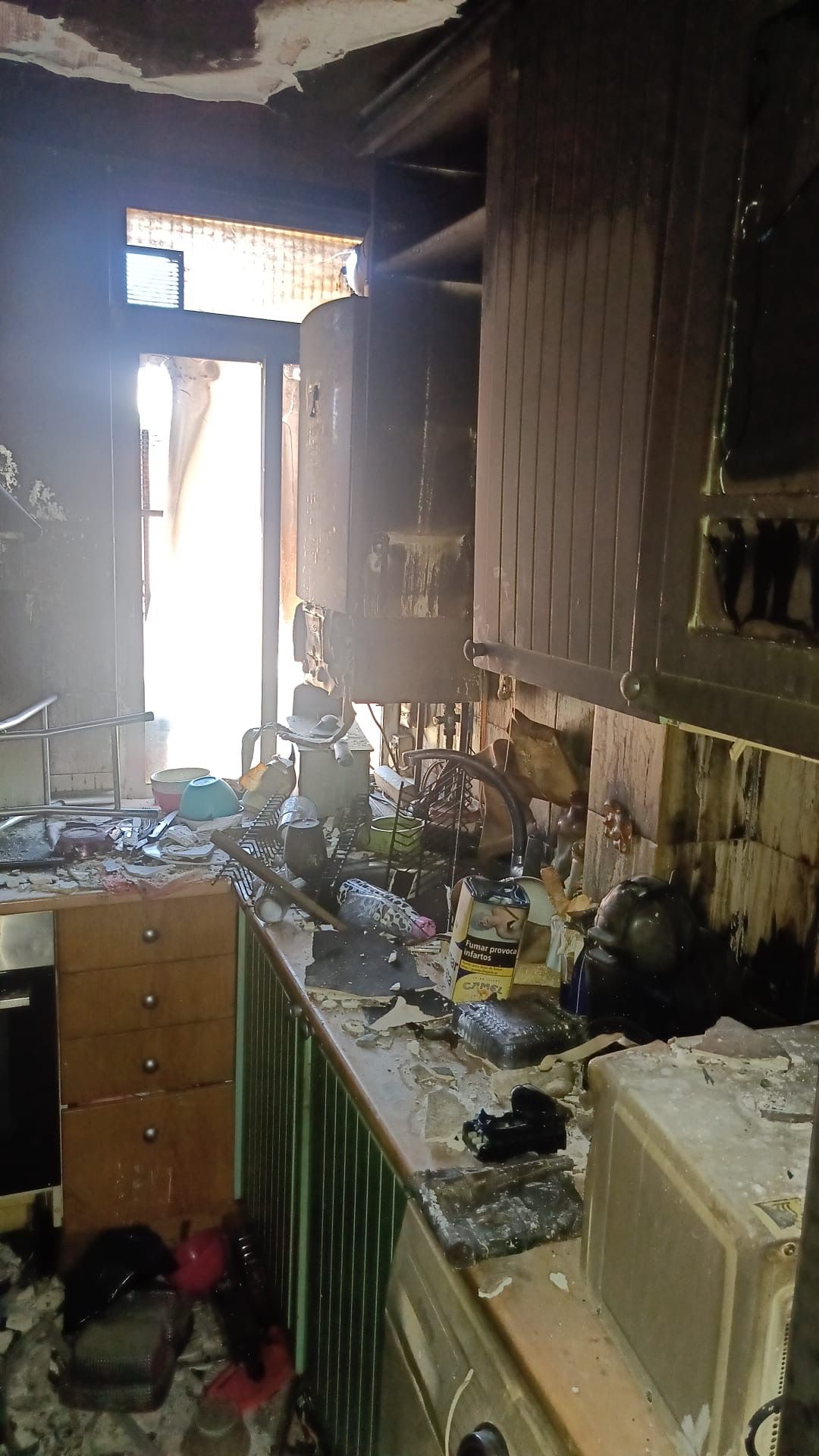
A fire does not end when the flames are extinguished.
In many cases, the real problem begins afterward, when the insurance assessment arrives and the policyholder discovers that the proposed compensation falls far short of the actual damage.
At MataSeguros, we deal with fires affecting homes and businesses where the conflict is not about whether the loss is covered, but which damages are recognised, which are excluded, and how they are valued.
If you want a comprehensive overview of how these claims are handled, we explain it in detail in this guide:
Property and business damage: how to claim against your insurance
What insurance usually covers after a fire (general overview)
Although every policy has its own conditions, fire insurance typically covers:
- direct fire damage
- smoke and soot damage
- water damage caused by firefighters
- necessary demolition and debris removal
- damage to electrical and technical installations
- affected contents (furniture, machinery, stock)
The issue is rarely the existence of coverage itself, but how it is interpreted and how far it actually extends.
Smoke damage: one of the main sources of conflict
In major fires, smoke often causes more damage than the flames.
However, it is very common for:
- smoke damage to be minimised
- insurers to claim that “cleaning is enough”
- soot penetration into materials, ducts or installations to be ignored
In practice, many materials become irreversibly damaged even if they did not burn.
If these effects are not properly documented, they are excluded from the initial assessment, as happens with other hidden post-loss costs:
Hidden costs after water-related damage
Water damage from firefighting and mitigation works
Another frequent source of dispute is damage caused while extinguishing the fire.
Water and foam used by firefighters can lead to:
- structural dampness
- damage to floors and partitions
- impact on electrical installations
- deterioration of furniture and machinery
These damages are part of the insured event and must be included in the valuation.
When they are not recognised, it is usually due to a superficial assessment of the real extent of the loss.
Negligence: when it is an excuse and when it is not
One of the most common arguments used to limit or deny fire claims is alleged negligence.
In our experience, many fires originate from:
- kitchens (ovens, pans)
- household appliances (dishwashers, washing machines)
- electrical installations
- everyday oversights
This does not automatically allow the insurer to reject the claim.
For negligence to justify an exclusion, very specific legal requirements must be met. A generic allegation is not sufficient.
Electrical damage after a fire: the most overlooked issue
After a fire, electrical installations are often affected by:
- heat
- smoke
- water
- subsequent corrosion
It is very common that:
- only visible damage is assessed
- the entire installation is not audited
- partial repairs are proposed when full replacement would be safer
Beyond direct fire damage, electrical damage after a loss often goes undetected during superficial inspections:
Electrical damage after a loss and how to claim it
Damage often left out after a fire
In many fire claims, the initial inspection focuses on visible damage, leaving out essential elements required for proper restoration.
Frequently underestimated damages include:
- electrical installations affected by heat or smoke
- soot impregnation in porous materials
- damage caused by firefighting actions (water, demolition)
- elements that, while not destroyed, have lost safety or functionality
If these damages are not documented from the outset, compensation is usually insufficient.
Fire loss assessment: speed versus reality
In major fires, loss assessments are often carried out quickly.
This has a clear consequence: not all real damage is identified.
We frequently see:
- omitted items
- damage that “has not failed yet”
- poorly planned partial reconstructions
- undervalued contents
That is why it is important to know when to appoint an independent loss adjuster and how to properly prepare the claim: When to appoint an independent loss adjuster
Homes and businesses: key differences after a fire
Homes
In addition to material damage, uninhabitability often arises, requiring temporary relocation and additional costs that are not always properly claimed:
Uninhabitability after a residential loss
Businesses
For businesses, the impact goes far beyond the premises:
- temporary closure
- loss of turnover
- ongoing fixed costs
Here it is essential to correctly assess business interruption or loss of profit, which is often excluded or undervalued:
Business interruption: how to claim loss of profit
Loss of earnings insurance and business protection
Underinsurance after a fire: a frequent issue
In significant fires, underinsurance is very common, especially when insured values do not reflect actual rebuilding costs.
This leads to the application of the average clause, reducing compensation unexpectedly:
How underinsurance affects insurance claims
What the average clause is and how it applies
When it makes sense to review a fire claim
A technical review is advisable when:
- compensation does not allow proper repair
- smoke or water damage has been excluded
- negligence is alleged without solid technical grounds
- electrical installations are affected
- the business cannot reopen with the proposed settlement
In many fire claims we review, the gap between the initial offer and the real damage is not due to a clear exclusion, but to an incomplete assessment of the loss.
Conclusion
A fire is not only what burns.
It is everything that becomes unusable afterward.
Understanding this makes the difference between accepting insufficient compensation and truly rebuilding.
That is the approach we take at MataSeguros.
Does your fire compensation fall short of real repair costs?
We analyse loss assessments, smoke and water damage, and installation impacts to determine whether the insurer’s valuation is correct or incomplete.
Fecha de creación: 2025-12-28
Última edición: