Home insurance: what it really covers and why many payouts fall short
What is Building and Contents in Home or Business Insurance?
One of the most frequent errors in insurance claims lies not in the loss itself, but in how the damage is classified: whether it corresponds to the building or the contents.
This distinction, which seems theoretical, directly affects the compensation.
Incorrect classification can lead to:
- Underinsurance
- Use of incorrect coverage
- Exclusion of items
- Compensation far below the actual damage
And most importantly: not all policies classify the same elements in the same way.
In this article, we explain what building and contents are, where real conflicts arise, and how they are analyzed in practice, both in homes and in bars and businesses.
What is considered building structure?
Generally speaking, the building structure includes everything that forms part of the building's construction and cannot be removed without causing damage.
It usually includes:
- Building structure
- Walls, ceilings, and floors
- Fixed installations (electrical, plumbing, sanitation)
- Doors and windows
- Built-in elements
- Finishes (tiling, flooring)
In homes and commercial premises, the building structure is not the market value, but the reconstruction value, a very common mistake that leads to underinsurance, as we explain here: Underinsurance and the proportional rule: how to avoid being underpaid by your insurance company
What is considered contents
The contents include the belongings located inside the property that are not part of the structure.
It typically covers:
- Furniture
- Appliances
- Personal belongings
- Machinery and equipment
- Merchandise and stock
- Decoration
- Professional equipment
This is where many problems begin, because some items can be classified as either the building structure or contents depending on the policy.
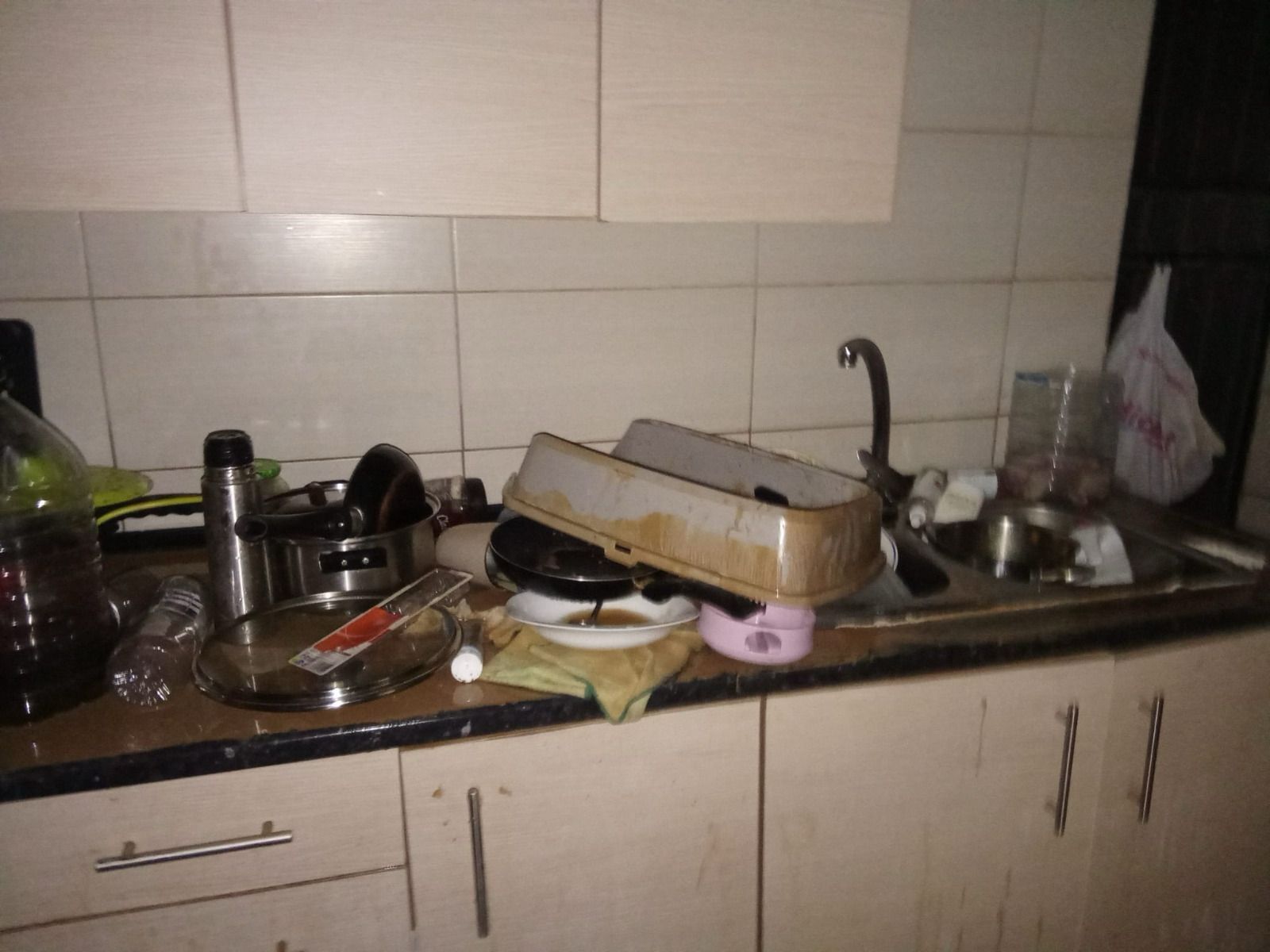
The major source of conflict: the kitchen
The kitchen is one of the clearest examples of why generalizations cannot be made.
Depending on the policy, a kitchen can be considered:
- As building structure (fixed furniture, countertops, fixtures)
- As contents
- Or even divided between both
Typical real-world example:
- Furniture and countertop → building structure
- Appliances → contents
But in other policies:
- The entire kitchen is listed as contents
If a fire or flood occurs and the contents are undervalued, the kitchen will be underpaid, even if the building structure is properly insured.
This error appears frequently in water damage and DANA (isolated high-altitude depression) claims, where the kitchen is one of the most expensive items.
Has your kitchen been undervalued after a claim? In many claims, the problem isn't the damage itself, but how the policy classifies the kitchen as part of the building structure or its contents. We analyze your policy and the appraisal to check if the compensation is correct or if you can claim it back.
👉 Review your case with no obligation
Built-in wardrobes, flooring, and wall coverings
Other frequently disputed elements:
- Built-in wardrobes, almost always considered part of the building structure
- Floors and tiling, considered part of the building structure, but problematic when they can't be matched
- Baseboards and moldings, often omitted in appraisals
In many cases, the insurance company proposes partial repairs when complete replacement is the only technically viable solution.
Installations: Where the Most Money Is Lost
Installations are the building structure, but they are rarely properly audited:
- Electrical installations
- Plumbing
- Air conditioning
- Ventilation systems
After fires or floods, many installations are damaged without the problem being immediately visible, as we explain here: Electrical damage after an incident: how to claim from your insurance company
Incorrectly assessed installations are one of the biggest hidden cost-cutting measures. We review electrical, plumbing, and air conditioning installations when the damage has not been correctly assessed in the initial appraisal.
👉 Request a technical review of your claim
Homes vs. Bars and Businesses
In bars and restaurants, the confusion is even greater.
Common examples:
- Fixed bars → building structure
- Kitchen equipment → contents
- Cold storage rooms → depends on their anchoring and policy definition
- Smoke extraction systems → usually building structure
- Living room furniture → contents
Many business insurance policies have clearly undervalued contents, leading to serious underinsurance in the event of fires or floods.
Storage rooms and garages
Common problems:
- Building structure of the storage room covered by the building management
- Contents of the storage room covered (or not) by the private policy
- Damages poorly distributed between policies
In claims related to DANA storms, this point often leads to errors in the planning process.
Home, bar, or business? The classification changes… and so does the compensation. When there are multiple policies or poorly defined categories, the compensation often falls short. We analyze the correct allocation between the building and its contents to ensure you claim what you are entitled to.
👉 Analyze your compensation claim with a specialist
Why this distinction directly affects compensation
Because:
- Each block uses a different amount of coverage.
- Underinsurance is applied per block.
- A poor classification reduces compensation even if coverage exists.
This is exacerbated when the appraisal is quick or incomplete, which is common: Low valuations: why it happens and how to correct them
How to correctly analyze a claim
A correct technical analysis includes:
- Complete reading of the general and specific terms and conditions.
- Exact definition of the building and its contents according to the policy.
- Review of insured amounts.
- Technical correlation of the damage with each block.
- Detection of underinsurance and possible corrections.
Conclusion
There is no universal list of what constitutes the building structure and what constitutes its contents. What exists is what your policy states and how the damage is technically justified.
Understanding this difference is key to avoiding unjustified reductions in compensation and to making a correct claim when the compensation does not reflect the actual damage.
Fecha de creación: 2026-01-01
Última edición: