MATASEGUROS
RECLAMATIONS
Blog
Conseils, tendances et actualités. Accédez en continu à des informations actualisées sur le monde des compagnies d’ assurances.
Descubre cómo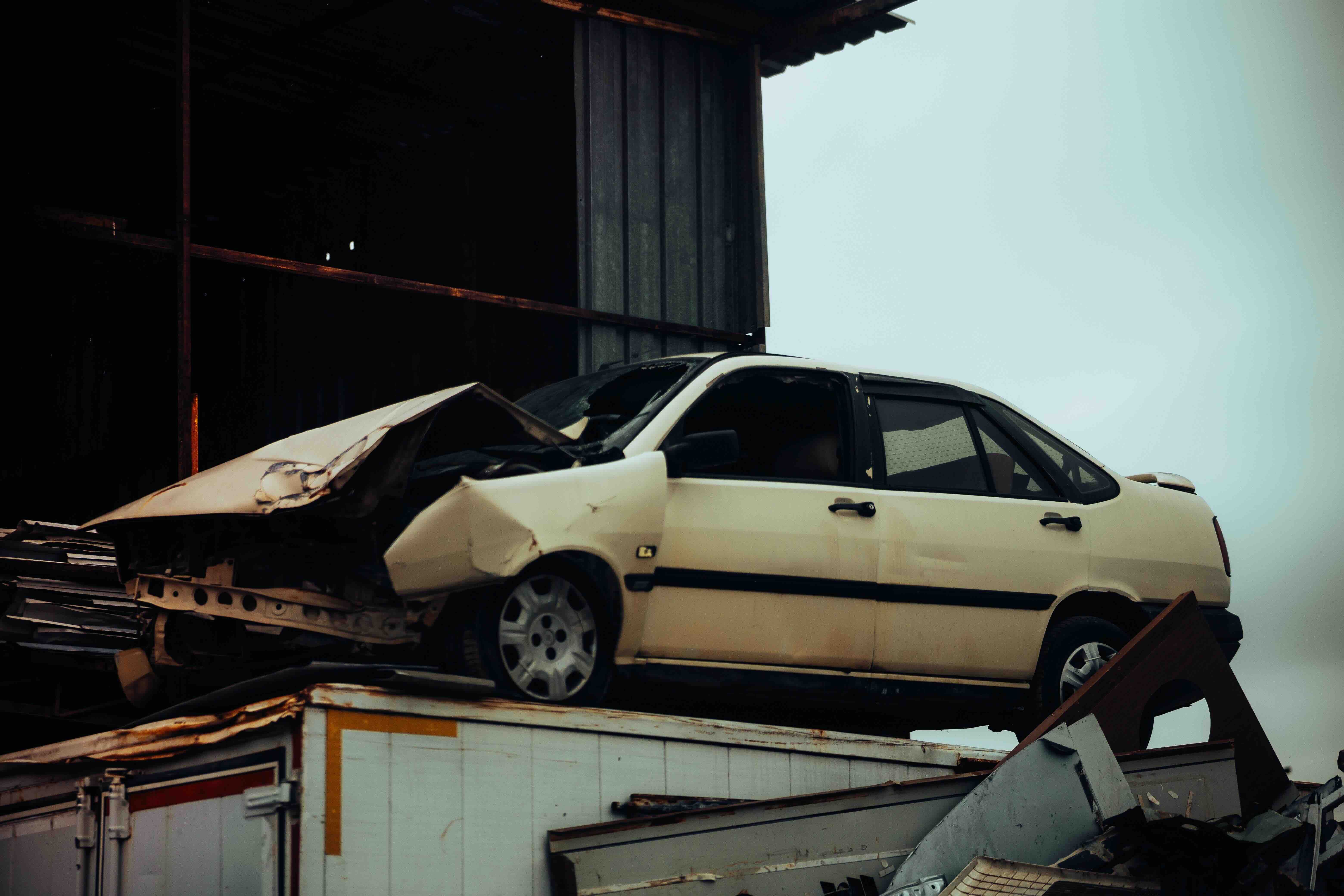
Expertise de véhicule après un sinistre
Lorsqu'un véhicule est impliqué dans un accident grave, beaucoup découvrent que le problème ne réside pas seulement dans les dégâts eux-mêmes, mais au...
1/2/2026 ### Conclusion GANVAM tables are a reference, not a verdict. When a vehicle is not standard, accepting an automatic valuation may result in unnecessary financial loss. Professional review can make a significant difference.](https://cdn.sanity.io/images/ut50n0c2/production/9e3fca04bd4731c100378ac593135fc23bdfdc98-1536x1024.png)
GANVAM tables are commonly used as a reference for vehicle valuation after a claim. Insurers and loss adjusters rely on them daily, especially in total loss cases. The problem arises when this reference becomes the only criterion, without analysing whether it truly reflects the vehicle’s real market value. In this article, we explain what GANVAM tables are, how they are applied, and when they may lead to undervaluation. ### What are GANVAM tables? GANVAM tables are periodic publications that provide estimated market values for vehicles based on factors such as: - Brand and model - Age - Version and engine - Estimated general condition They are intended as a valuation guideline, not a binding rule. ### How insurers use GANVAM tables In many claims, insurers: - Declare the vehicle a total loss - Check the corresponding GANVAM value - Apply standard depreciation - Make an offer based almost exclusively on that figure This approach is fast, but not always fair. ### When the vehicle does not fit the table GANVAM works reasonably well for standard vehicles. However, it often fails for: - Cars with significant extras - High-end or limited editions - Imported vehicles - Professionally adapted vehicles - Camper conversions - Vehicles with exceptional maintenance or low mileage In these cases, real market value may be significantly higher. ### Total loss does not always mean real loss Many total loss declarations are based on internal economic criteria rather than a full technical analysis. When valuation relies only on GANVAM, the result can be misleading. ### Can a GANVAM-based valuation be challenged? Yes. Valuations can be reviewed when: - The vehicle has special characteristics - Market comparables show higher values - Extras or upgrades were ignored - The expert report is incomplete These situations are closely linked to underinsurance issues, explained in this pillar article: [Underinsurance and proportional rule: how insurers reduce payouts](https://mataseguros.com/blog/infraseguro-afecta-reclamaciones) ### Conclusion GANVAM tables are a reference, not a verdict. When a vehicle is not standard, accepting an automatic valuation may result in unnecessary financial loss. Professional review can make a significant difference.
Les tables GANVAM sont fréquemment utilisées pour évaluer un véhicule après un sinistre. Les assureurs et experts s’y réfèrent notamment en cas de per...
6/27/2025
Aménagement de véhicule et assurance : pourquoi de nombreuses indemnisations ne reflètent pas la valeur réelle
## Aménagements de fourgons et assurance : Pourquoi de nombreuses indemnisations sont bien inférieures à la valeur réelle du véhicule Les aménagement...
4/10/2025