Blog
Conseils, tendances et actualités. Accédez en continu à des informations actualisées sur le monde des compagnies d’ assurances.
Descubre cómo
Délais pour faire une réclamation auprès d'une assurance en Espagne (et quand il est trop tard)
Dans les réclamations d'assurance, le temps est un facteur déterminant. Si vous hésitez aujourd'hui entre « réclamer maintenant » ou « attendre un peu...
1/8/2026
Expertise de véhicule après un sinistre
Lorsqu'un véhicule est impliqué dans un accident grave, beaucoup découvrent que le problème ne réside pas seulement dans les dégâts eux-mêmes, mais au...
1/2/2026
Dommages préexistants et défaut d’entretien : l’excuse la plus utilisée par les assureurs pour ne pas indemniser (et comment la démonter)
Lorsqu'une compagnie d'assurance souhaite clore un dossier sans prendre en charge le coût réel du sinistre, deux phrases reviennent sans cesse : > « ...
1/2/2026
Expert d’assuré : quand il fait réellement la différence dans une réclamation d’assurance
Lorsqu’un sinistre survient, la plupart des assurés font confiance à l’expert de l’assurance pour évaluer correctement les dommages. Dans de nombreux ...
12/30/2025
When an insurance company denies a claim, the message is usually clear and seemingly final: “Not covered”, “does not apply”, “the policy does not include this situation”. For many policyholders, this feels like the end of the road. In practice, however, a large number of claim denials are not due to lack of coverage, but to administrative errors, overly restrictive interpretations, or poorly handled claims from the start. At MataSeguros, we regularly work on claims that arrive already denied, many of them in complex contexts such as fires, floods and also after DANA events, where the massive volume of claims increases the risk of mistakes. Below are real cases (anonymised) and what went wrong in each one. ⸻ Denials due to inheritance and outdated policies One of the most common situations involves inherited properties. The scenario is usually the same: • the policyholder passes away • the property is inherited • the policy remains active but is not fully updated When a loss occurs — in some cases after a DANA — the insurer: • questions who is entitled to claim • disputes the policyholder’s standing • or attempts to close the claim altogether In several cases we handled, the policy was valid, premiums were paid, and the risk clearly existed. The denial was based solely on a formal issue, not on a lack of coverage. The key was: • proving continuity of the insured risk • demonstrating the policyholder’s good faith • showing that the loss was unrelated to the ownership change These denials are not final, even if they are presented as such. ⸻ Denial due to late payment caused by a banking error Another frequent reason for denial is an alleged late premium payment. In one case, the delay resulted from: • a bank error • a technical issue beyond the policyholder’s control Despite a clean payment history, the insurer attempted to deny coverage after a loss caused by heavy rainfall. What mattered was: • proving there was no intent to avoid payment • reviewing the legal suspension periods • analysing the conduct of both parties prior to the loss Not every delay justifies a valid denial. ⸻ Incorrect risk description: one floor insured, another flooded In another case: • the property had two floors • the insured surface area was correct • but the policy mistakenly stated “first floor” The flood affected the second floor, and the insurer denied the claim arguing that this area was not insured. The issue was not the capital or the risk, but a description error attributable to the insurer. It was proven that: • the insured object was the entire property • the capital matched the whole building • the drafting error could not harm the policyholder Result: the denial was overturned. ⸻ Restrictive clauses misinterpreted: bar vs beer hall One of the most illustrative cases involved a denial based on declared business activity. The insurer applied a restrictive interpretation distinguishing between: • cocktail bar • beer hall to limit coverage. However: • opening hours were practically identical • the premium paid was essentially the same • there was no economic advantage in declaring one activity over the other In other words, there was no bad faith or risk concealment. Once the clause was analysed, it became clear that the insurer’s interpretation had no real impact on the insured risk, making the denial unsustainable. ⸻ Denials caused by incorrect claim handling In other cases, especially medical or liability claims, the problem was not the policy itself, but how the claim was filed. Claims processed as individual instead of collective, or under the wrong coverage, were denied even though the damage clearly existed. Reframing the claim correctly was enough to unlock the compensation. ⸻ What many denials have in common Despite different facts, the pattern is often the same: • rushed claim handling • overly restrictive policy interpretation • administrative errors shifted onto the policyholder • premature acceptance of a “no” as final During events like DANA, where claim volumes are massive, these issues multiply. ⸻ What policyholders can do after a denial After a denial, a policyholder can: • request written technical justification • review both general and specific policy terms • assess whether the clause applied is valid • submit additional documentation • formally request a claim review In many cases, the key is not the damage itself, but how it has been interpreted and processed. 👉 https://mataseguros.com/blog/danos-viviendas-negocios-reclamar-seguro ⸻ Conclusion A denied claim does not necessarily mean the loss is not covered. Very often, it means the claim has been mishandled, incompletely analysed or interpreted in a biased way. Especially in complex losses — fires, floods or DANA events — a technical and legal review can make the difference between accepting an unfair loss or recovering the compensation that truly corresponds.
Lorsqu’un assureur refuse une indemnisation, le message est souvent clair et apparemment définitif : « Non couvert », « non applicable », « le contrat...
12/5/2025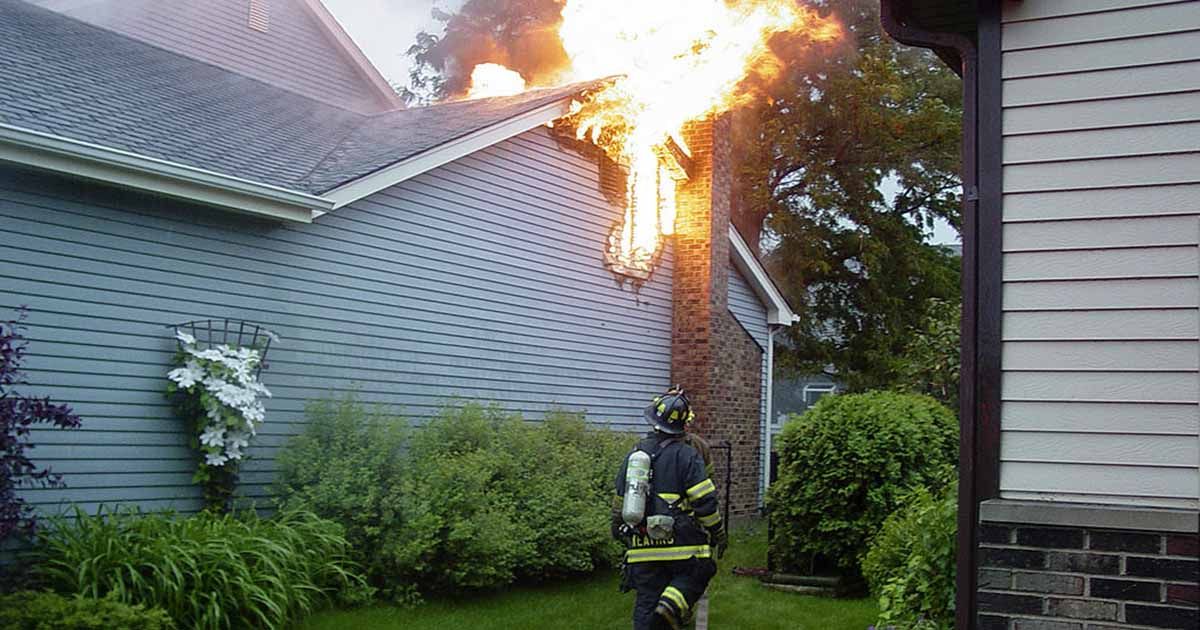
La difficulté émotionnelle et financière de réclamer des pertes à domicile
Imaginez rentrer chez vous après une longue journée de travail et découvrir un désastre total : fuite d’eau, incendie, ou autre sinistre qui a transfo...
11/28/2025
Évaluation médicale indépendante après un accident : quand est-ce crucial et qu'est-ce qui change
Lorsqu’un accident survient, beaucoup de personnes pensent que le principal problème réside dans les dommages visibles ou le choc initial. Pourtant, d...
9/20/2025
Pourquoi les assureurs refusent une indemnisation (et quand la décision peut être contestée)
### Cas réels : quand une phrase anodine change toute une indemnisation Dans de nombreuses réclamations que nous analysons, le problème ne vient ni d...
8/25/2025
# Assurance de copropriété : erreurs fréquentes qui réduisent l’indemnisation
### Introduction Lorsqu’un sinistre survient dans une copropriété — inondation, tempête ou incendie — de nombreux copropriétaires réalisent qu’ils ne ...
8/14/2025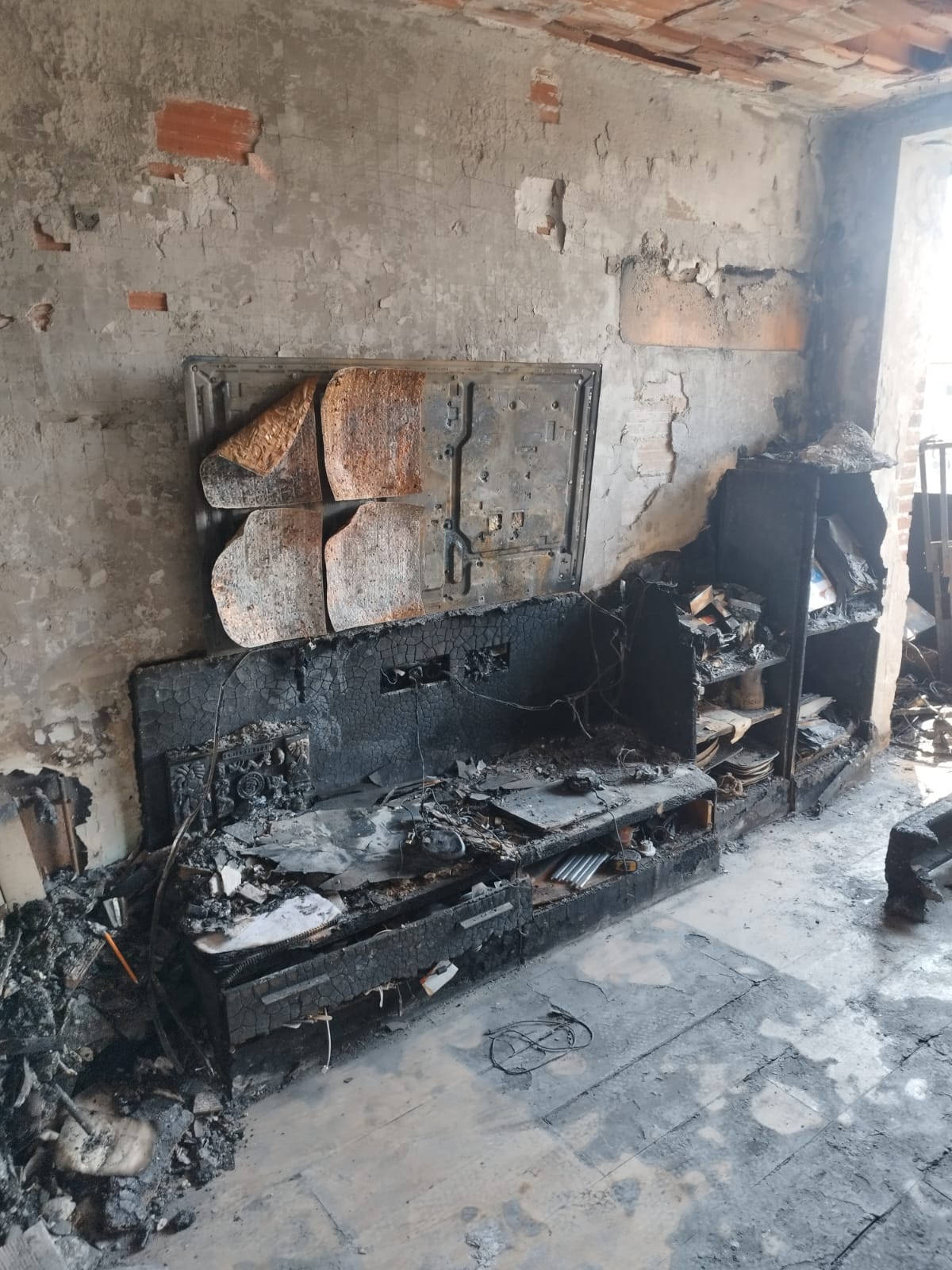
Dommages causés par la fumée, travaux de mitigation et effets indirects après un incendie : ce que l’assurance sous-évalue souvent
Lorsqu’un incendie survient, beaucoup pensent que le principal dommage est causé par les flammes. En réalité, le feu n’est presque jamais le seul prob...
8/13/2025 ### Conclusion GANVAM tables are a reference, not a verdict. When a vehicle is not standard, accepting an automatic valuation may result in unnecessary financial loss. Professional review can make a significant difference.](https://cdn.sanity.io/images/ut50n0c2/production/9e3fca04bd4731c100378ac593135fc23bdfdc98-1536x1024.png)
GANVAM tables are commonly used as a reference for vehicle valuation after a claim. Insurers and loss adjusters rely on them daily, especially in total loss cases. The problem arises when this reference becomes the only criterion, without analysing whether it truly reflects the vehicle’s real market value. In this article, we explain what GANVAM tables are, how they are applied, and when they may lead to undervaluation. ### What are GANVAM tables? GANVAM tables are periodic publications that provide estimated market values for vehicles based on factors such as: - Brand and model - Age - Version and engine - Estimated general condition They are intended as a valuation guideline, not a binding rule. ### How insurers use GANVAM tables In many claims, insurers: - Declare the vehicle a total loss - Check the corresponding GANVAM value - Apply standard depreciation - Make an offer based almost exclusively on that figure This approach is fast, but not always fair. ### When the vehicle does not fit the table GANVAM works reasonably well for standard vehicles. However, it often fails for: - Cars with significant extras - High-end or limited editions - Imported vehicles - Professionally adapted vehicles - Camper conversions - Vehicles with exceptional maintenance or low mileage In these cases, real market value may be significantly higher. ### Total loss does not always mean real loss Many total loss declarations are based on internal economic criteria rather than a full technical analysis. When valuation relies only on GANVAM, the result can be misleading. ### Can a GANVAM-based valuation be challenged? Yes. Valuations can be reviewed when: - The vehicle has special characteristics - Market comparables show higher values - Extras or upgrades were ignored - The expert report is incomplete These situations are closely linked to underinsurance issues, explained in this pillar article: [Underinsurance and proportional rule: how insurers reduce payouts](https://mataseguros.com/blog/infraseguro-afecta-reclamaciones) ### Conclusion GANVAM tables are a reference, not a verdict. When a vehicle is not standard, accepting an automatic valuation may result in unnecessary financial loss. Professional review can make a significant difference.
Les tables GANVAM sont fréquemment utilisées pour évaluer un véhicule après un sinistre. Les assureurs et experts s’y réfèrent notamment en cas de per...
6/27/2025
# Compensation des capitaux en assurance: quand elle peut faire la différence sur votre indemnisation
### Introduction Dans de nombreuses réclamations d’assurance, notamment lorsque l’indemnisation proposée est inférieure aux attentes, il existe un méc...
6/12/2025
Évaluation des blessures corporelles : pourquoi de nombreuses indemnisations sont mal clôturées
L'une des situations les plus délicates après un accident concerne non seulement la blessure elle-même, mais aussi **la manière dont elle est évaluée*...
6/12/2025
Second vehicle assessor: when it’s worth it (and when it’s not)
Tous les cas ne nécessitent pas un deuxième expert. Cependant, lorsque la différence est significative, cela peut faire toute la différence. Après l...
5/23/2025
Quand et pourquoi faire appel à un défenseur dans une réclamation d’assurance
Les réclamations auprès des assurances sont souvent un processus frustrant et plein d’obstacles — surtout lorsque les assureurs tardent à répondre, do...
5/16/2025
Comment accélérer le processus de réclamation auprès de votre assureur
Vous avez un sinistre. Vous le déclarez à votre assureur. Et là, l’attente commence. Des jours, des semaines… parfois même des mois. Et souvent, ce n’...
5/13/2025
Pourquoi l’expert a-t-il donné une estimation si basse — et comment obtenir une indemnisation juste ?
Quand un sinistre survient, la dernière chose dont vous avez besoin est de vous sentir trahi par l’assureur en qui vous aviez confiance. Pourtant, vou...
5/7/2025
Indemnisation refusée par l’assureur : que faire
Recevoir un « non » de la part de son assureur au moment où l’on en a le plus besoin est frustrant et décourageant. Après avoir payé vos primes pendan...
4/21/2025
La Chambre Violette
## Le Bon Marché Revient Cher Vous pourriez dire que cette expression est exagérée, fausse ou réservée aux personnes aisées. Mais laissez-moi vous ra...
4/3/2025
Dommages aux logements et aux entreprises: comment réclamer lorsque l’assurance ne paie pas
Ce que personne n’explique lors de l’évaluation d’un sinistre après une inondation, une tempête ou un incendie Après une inondation, un incendie ou u...
3/12/2025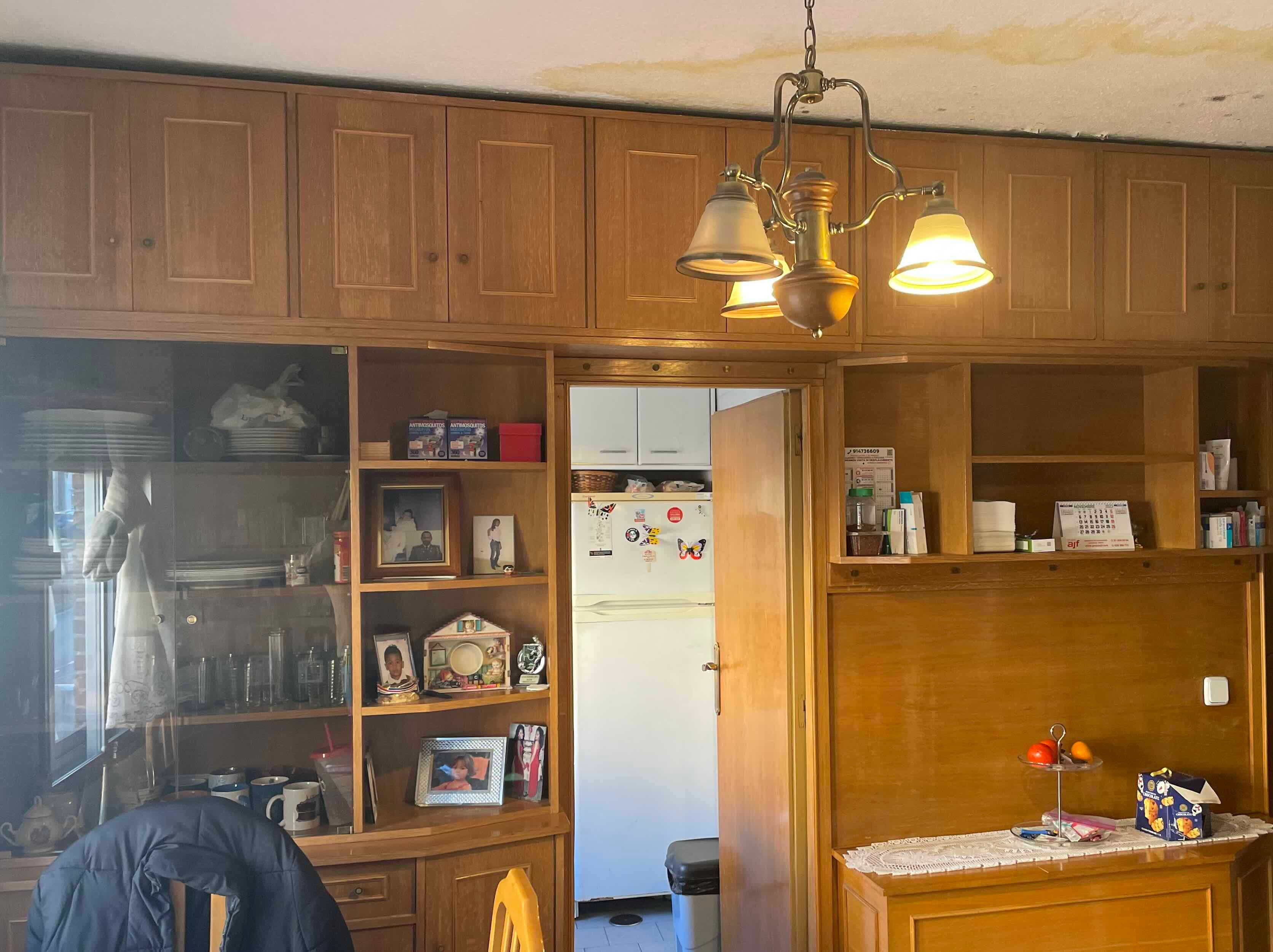
Les coûts cachés des dégâts des eaux – Ce que votre assurance peut ne pas couvrir
Imaginez : votre maison est inondée à cause d’une tempête ou d’un tuyau éclaté. Vous nettoyez, appelez votre assurance et un expert vient constater le...
3/5/2025
Une assurance bon marché est-elle un bon investissement?
Ne vous laissez pas tromper ! Peut-être vous êtes-vous déjà dit : « Mieux vaut une assurance pas chère pour économiser chaque mois. » Mais que se pass...
2/10/2025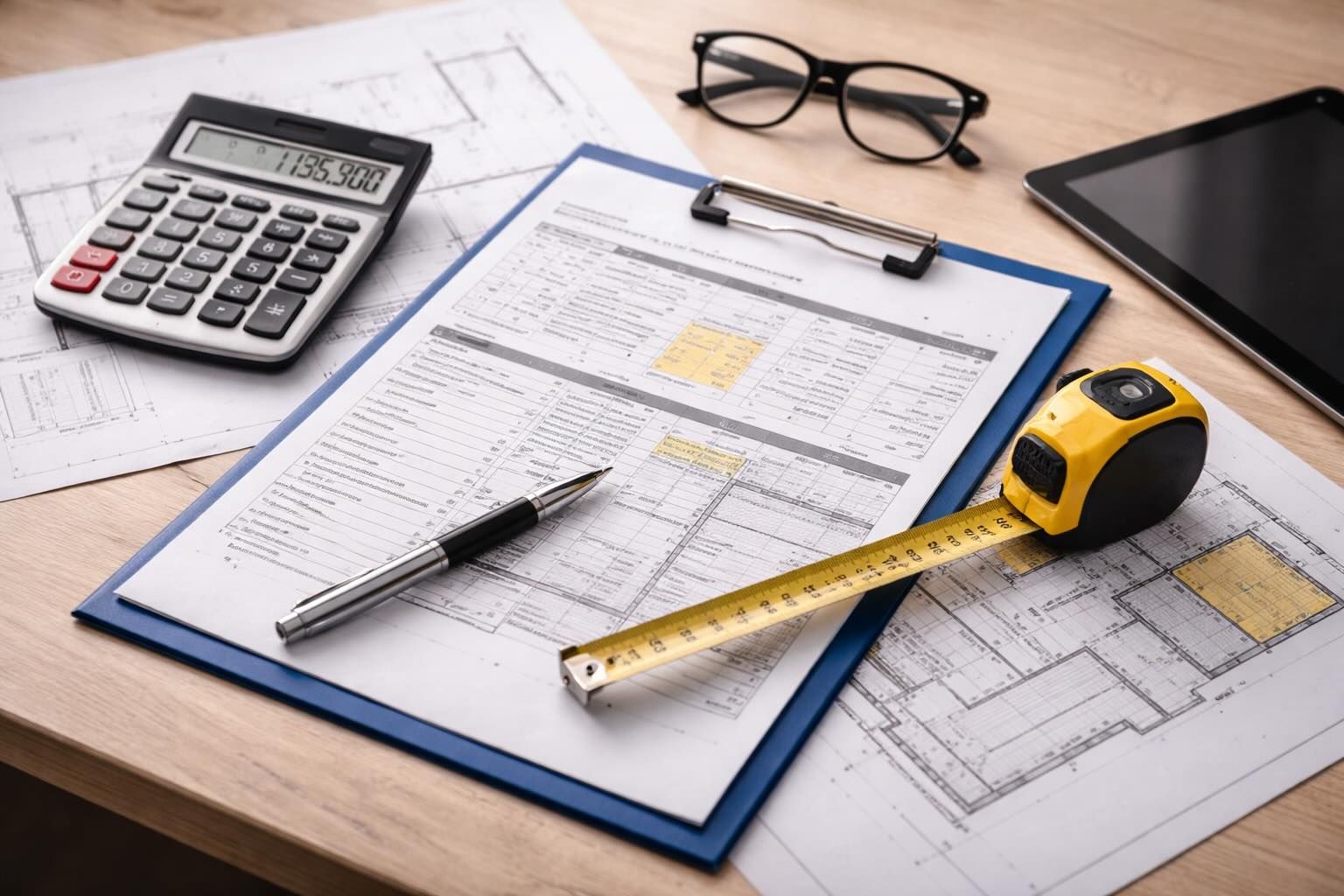
Sous-assurance et règle proportionnelle : pourquoi l’indemnisation est réduite
Après un sinistre, il est fréquent de constater que l’assurance reconnaît le dommage mais verse une indemnisation inférieure aux attentes. Dans la maj...
1/21/2025
Que faire si votre réclamation d’assurance est rejetée
Vous déclarez votre sinistre, suivez les démarches et attendez votre indemnisation… mais vous recevez une lettre indiquant que votre demande est refus...
12/9/2024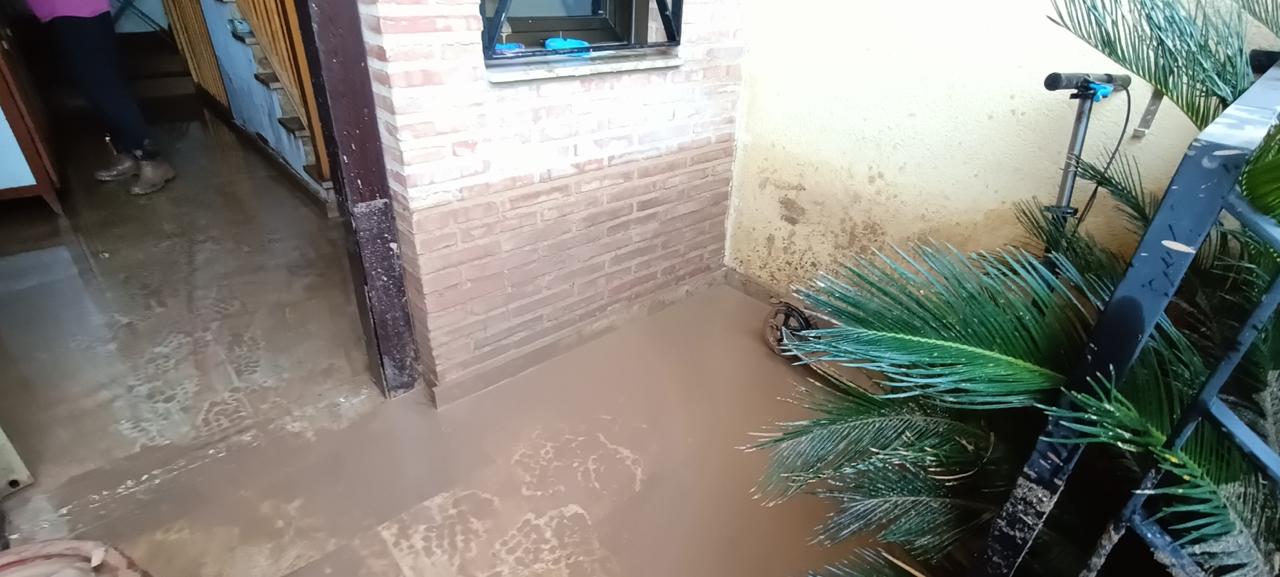
Pourquoi réclamer une assurance habitation est si compliqué
In theory, making a home insurance claim should be simple: damage occurs, the insurer is notified, and compensation follows. In reality, many policyho...
11/16/2024
Mon assureur ne répond pas à mes appels — Est-ce perdu d’avance ?
Cela vous semble familier ? Quand vous avez signé votre contrat d’assurance, tout le monde souriait. Votre courtier vous a dit que toute la paperasse...
11/15/2024
Celui qui ne pleure pas n’est pas nourri : pourquoi insister maladroitement ne fait pas avancer une réclamation d’assurance
Vous avez probablement entendu cette expression toute votre vie : « Celui qui ne pleure pas n’est pas nourri. » C’est un proverbe populaire qui conti...
10/15/2024
Évitez Ces 5 Erreurs Lors de Votre Réclamation d’Assurance
Si vous pensez que votre assurance résoudra vos problèmes au moment où vous en aurez le plus besoin, préparez-vous à en avoir de nouveaux… causés par ...
10/11/2024
Vol d’argent et assurance : pourquoi tant de réclamations sont refusées
Les réclamations auprès des assurances n’échouent généralement pas par manque de droit, mais à cause d’erreurs évitables dans la manière dont le dossi...
10/4/2024