Blog
Conseils, tendances et actualités. Accédez en continu à des informations actualisées sur le monde des compagnies d’ assurances.
Descubre cómo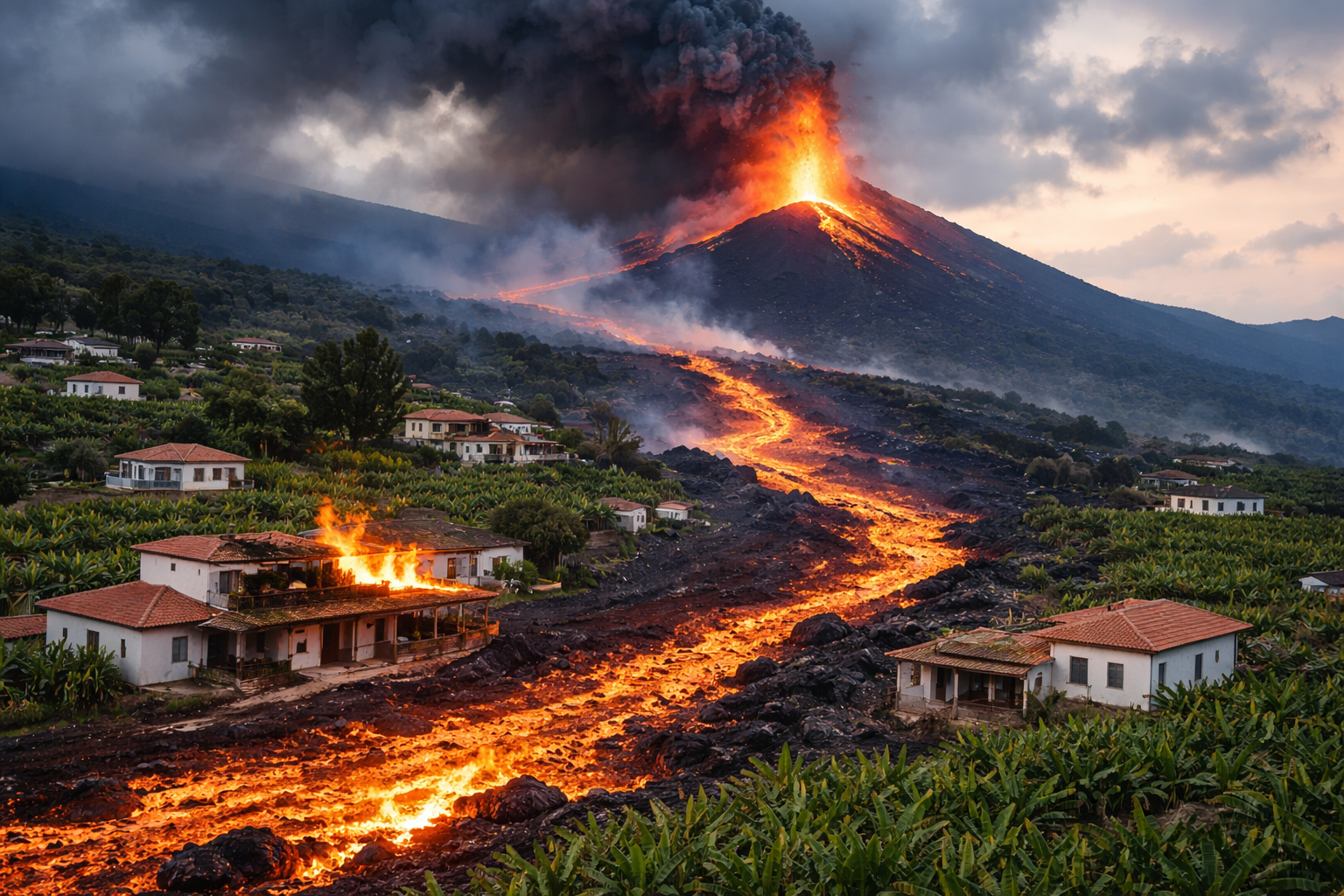
Catastrophes naturelles en Espagne : comment fonctionne le Consortium d’Indemnisation des Assurances
Lorsqu’une catastrophe naturelle majeure survient — une DANA, un tremblement de terre ou une éruption volcanique — la même question revient toujours :...
1/5/2026
When an insurance company denies a claim, the message is usually clear and seemingly final: “Not covered”, “does not apply”, “the policy does not include this situation”. For many policyholders, this feels like the end of the road. In practice, however, a large number of claim denials are not due to lack of coverage, but to administrative errors, overly restrictive interpretations, or poorly handled claims from the start. At MataSeguros, we regularly work on claims that arrive already denied, many of them in complex contexts such as fires, floods and also after DANA events, where the massive volume of claims increases the risk of mistakes. Below are real cases (anonymised) and what went wrong in each one. ⸻ Denials due to inheritance and outdated policies One of the most common situations involves inherited properties. The scenario is usually the same: • the policyholder passes away • the property is inherited • the policy remains active but is not fully updated When a loss occurs — in some cases after a DANA — the insurer: • questions who is entitled to claim • disputes the policyholder’s standing • or attempts to close the claim altogether In several cases we handled, the policy was valid, premiums were paid, and the risk clearly existed. The denial was based solely on a formal issue, not on a lack of coverage. The key was: • proving continuity of the insured risk • demonstrating the policyholder’s good faith • showing that the loss was unrelated to the ownership change These denials are not final, even if they are presented as such. ⸻ Denial due to late payment caused by a banking error Another frequent reason for denial is an alleged late premium payment. In one case, the delay resulted from: • a bank error • a technical issue beyond the policyholder’s control Despite a clean payment history, the insurer attempted to deny coverage after a loss caused by heavy rainfall. What mattered was: • proving there was no intent to avoid payment • reviewing the legal suspension periods • analysing the conduct of both parties prior to the loss Not every delay justifies a valid denial. ⸻ Incorrect risk description: one floor insured, another flooded In another case: • the property had two floors • the insured surface area was correct • but the policy mistakenly stated “first floor” The flood affected the second floor, and the insurer denied the claim arguing that this area was not insured. The issue was not the capital or the risk, but a description error attributable to the insurer. It was proven that: • the insured object was the entire property • the capital matched the whole building • the drafting error could not harm the policyholder Result: the denial was overturned. ⸻ Restrictive clauses misinterpreted: bar vs beer hall One of the most illustrative cases involved a denial based on declared business activity. The insurer applied a restrictive interpretation distinguishing between: • cocktail bar • beer hall to limit coverage. However: • opening hours were practically identical • the premium paid was essentially the same • there was no economic advantage in declaring one activity over the other In other words, there was no bad faith or risk concealment. Once the clause was analysed, it became clear that the insurer’s interpretation had no real impact on the insured risk, making the denial unsustainable. ⸻ Denials caused by incorrect claim handling In other cases, especially medical or liability claims, the problem was not the policy itself, but how the claim was filed. Claims processed as individual instead of collective, or under the wrong coverage, were denied even though the damage clearly existed. Reframing the claim correctly was enough to unlock the compensation. ⸻ What many denials have in common Despite different facts, the pattern is often the same: • rushed claim handling • overly restrictive policy interpretation • administrative errors shifted onto the policyholder • premature acceptance of a “no” as final During events like DANA, where claim volumes are massive, these issues multiply. ⸻ What policyholders can do after a denial After a denial, a policyholder can: • request written technical justification • review both general and specific policy terms • assess whether the clause applied is valid • submit additional documentation • formally request a claim review In many cases, the key is not the damage itself, but how it has been interpreted and processed. 👉 https://mataseguros.com/blog/danos-viviendas-negocios-reclamar-seguro ⸻ Conclusion A denied claim does not necessarily mean the loss is not covered. Very often, it means the claim has been mishandled, incompletely analysed or interpreted in a biased way. Especially in complex losses — fires, floods or DANA events — a technical and legal review can make the difference between accepting an unfair loss or recovering the compensation that truly corresponds.
Lorsqu’un assureur refuse une indemnisation, le message est souvent clair et apparemment définitif : « Non couvert », « non applicable », « le contrat...
12/5/2025
Sous-assurance dans les locaux commerciaux : erreurs courantes et comment les éviter
Vous assurez votre entreprise, vous payez votre prime chaque année et vous pensez que si quelque chose arrive, vous serez couvert. Mais un incendie, ...
11/20/2025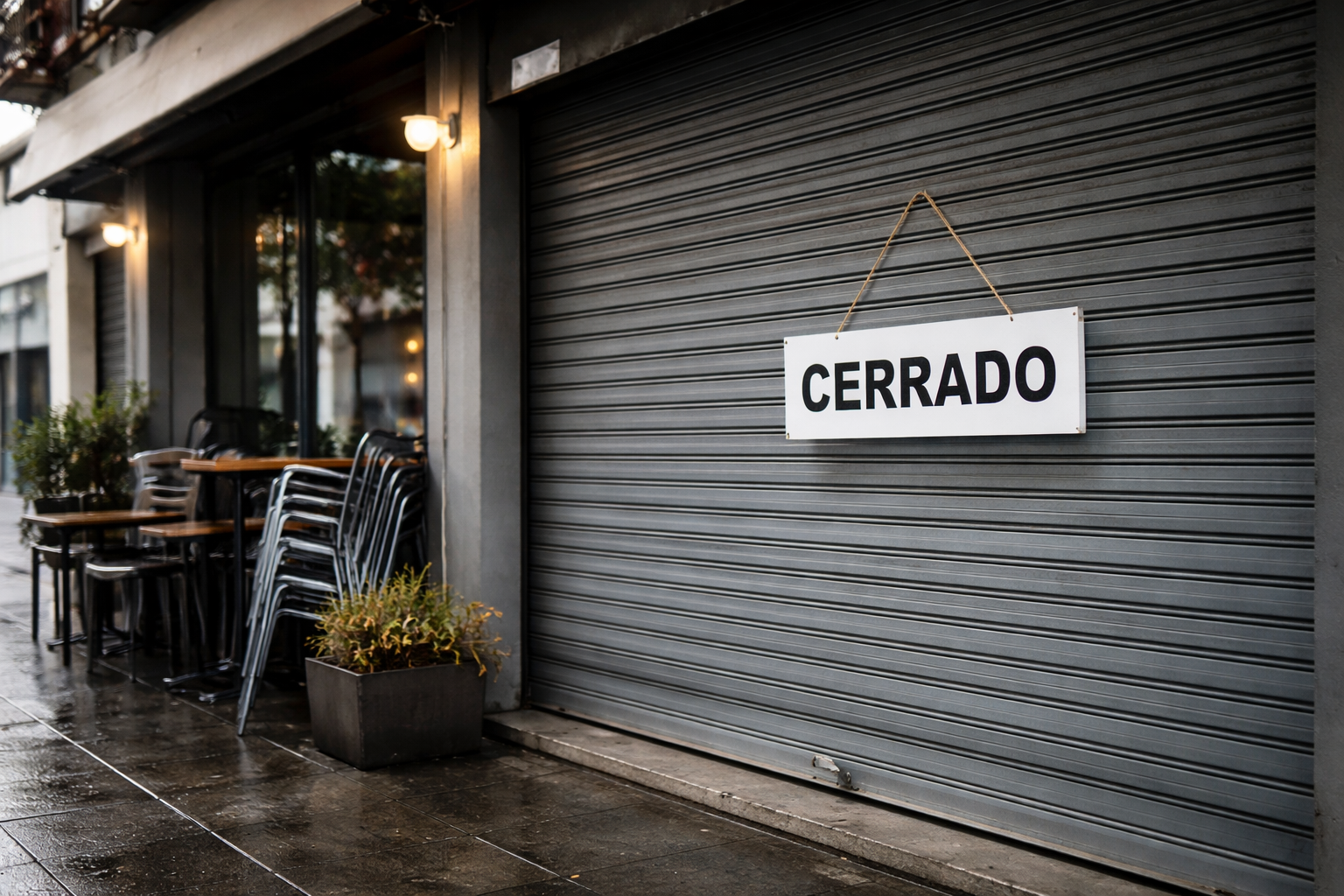
Perte d’exploitation et manque à gagner : la perte de bénéfices d’une entreprise après un sinistre
Lorsqu’un sinistre grave survient — incendie, inondation ou épisode de DANA — le problème ne s’arrête pas lorsque le feu est éteint ou que l’eau se re...
9/11/2025
Réclamations pour dégâts des eaux : ce que vous devez savoir
Une infiltration dans un mur, une canalisation rompue, le plafond de la salle de bain du voisin qui s’effondre… Les dégâts des eaux sont l’un des mo...
5/21/2025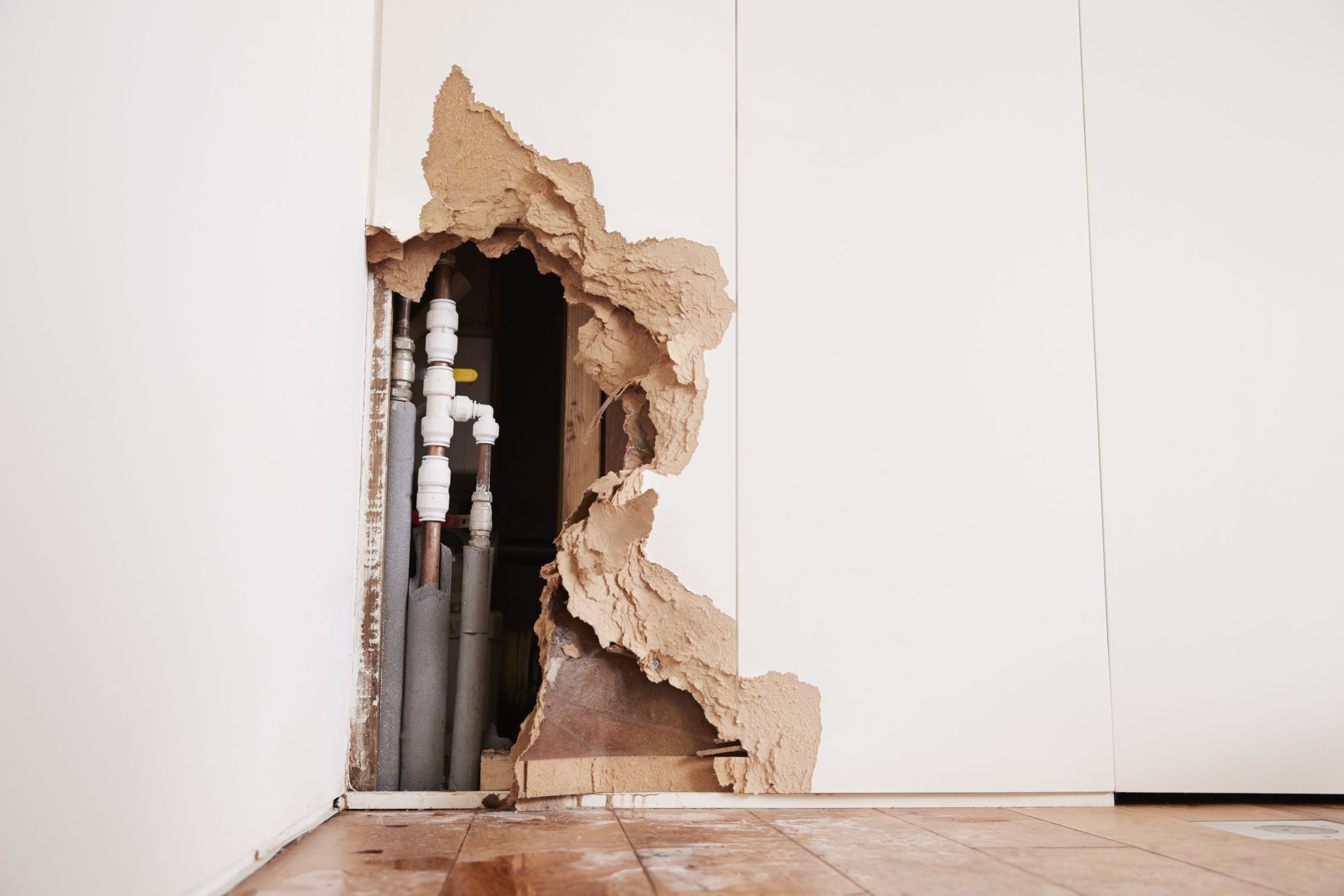
Comment réclamer des dommages à votre assureur habitation
Avez-vous eu une fuite, une rupture de canalisation ou une inondation à la maison ? Votre plafond, vos appareils ou vos meubles ont été endommagés ? S...
4/8/2025
Quelle tolérance applique le Consorcio de Compensation face à la sous-assurance ?
Vous contractez une assurance, payez vos primes, et pensez être protégé quoi qu’il arrive. Puis survient un événement exceptionnel — inondation, tremb...
4/7/2025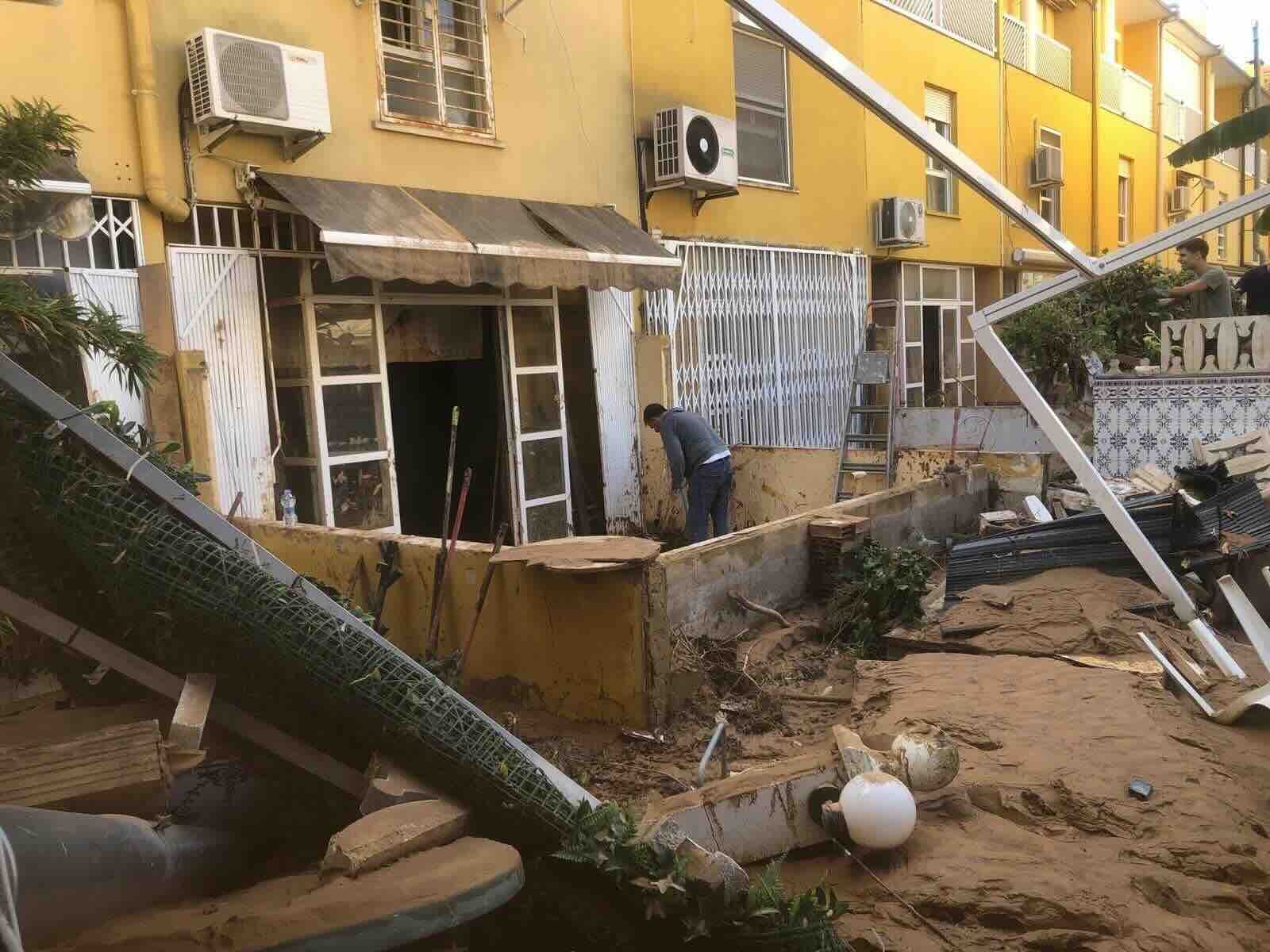
DANA et organisme de compensation: comment réclamer et éviter les erreurs d’indemnisation
Après un épisode de type DANA, beaucoup de personnes pensent que l’indemnisation sera automatique. En réalité, de nombreux dossiers sont sous-évalués,...
1/24/2025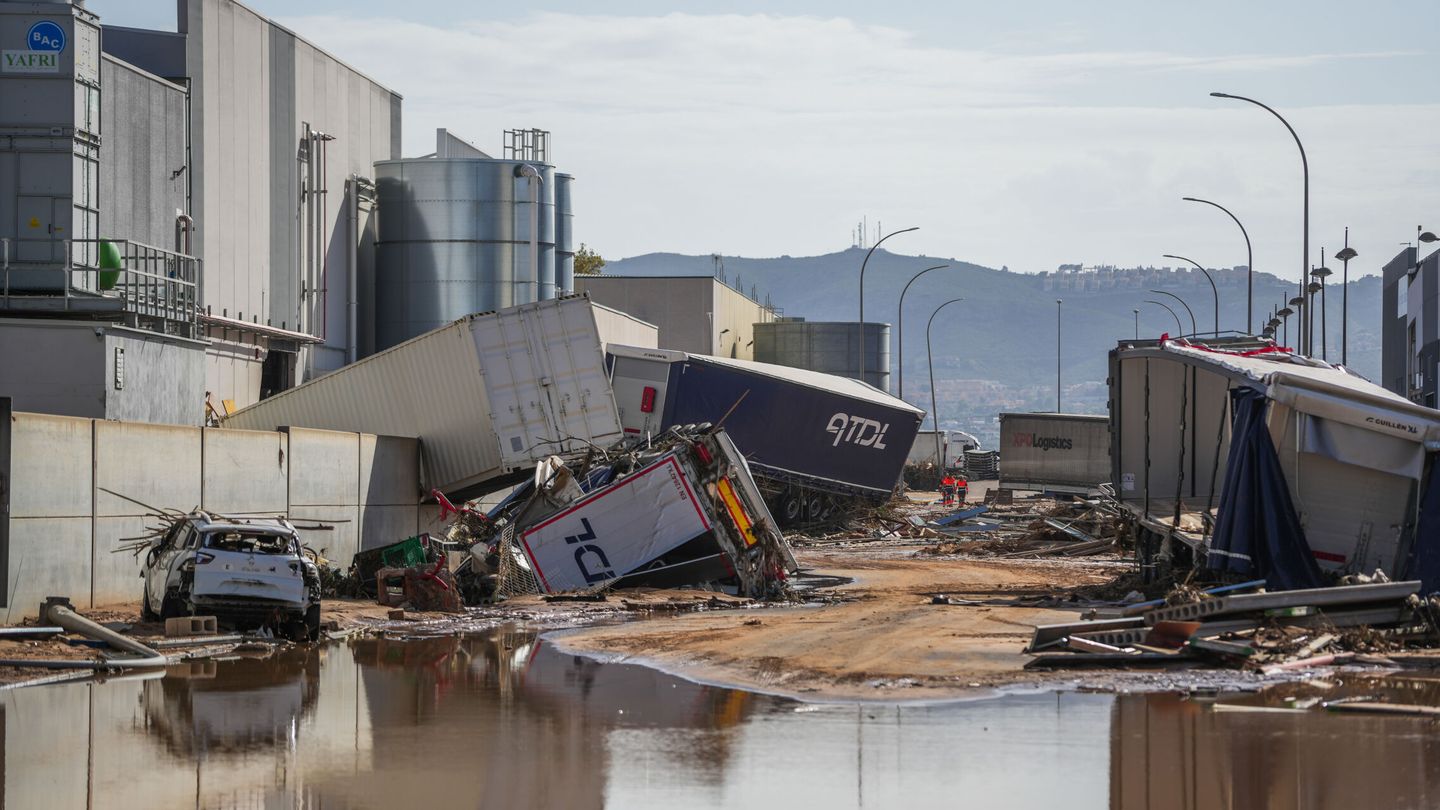
Dommages dans votre entreprise : comment être indemnisé en cas de pertes économiques
Perdre l’activité économique de votre petite entreprise à cause d’une catastrophe naturelle — comme la DANA — est difficile à imaginer tant qu’on ne l...
11/17/2024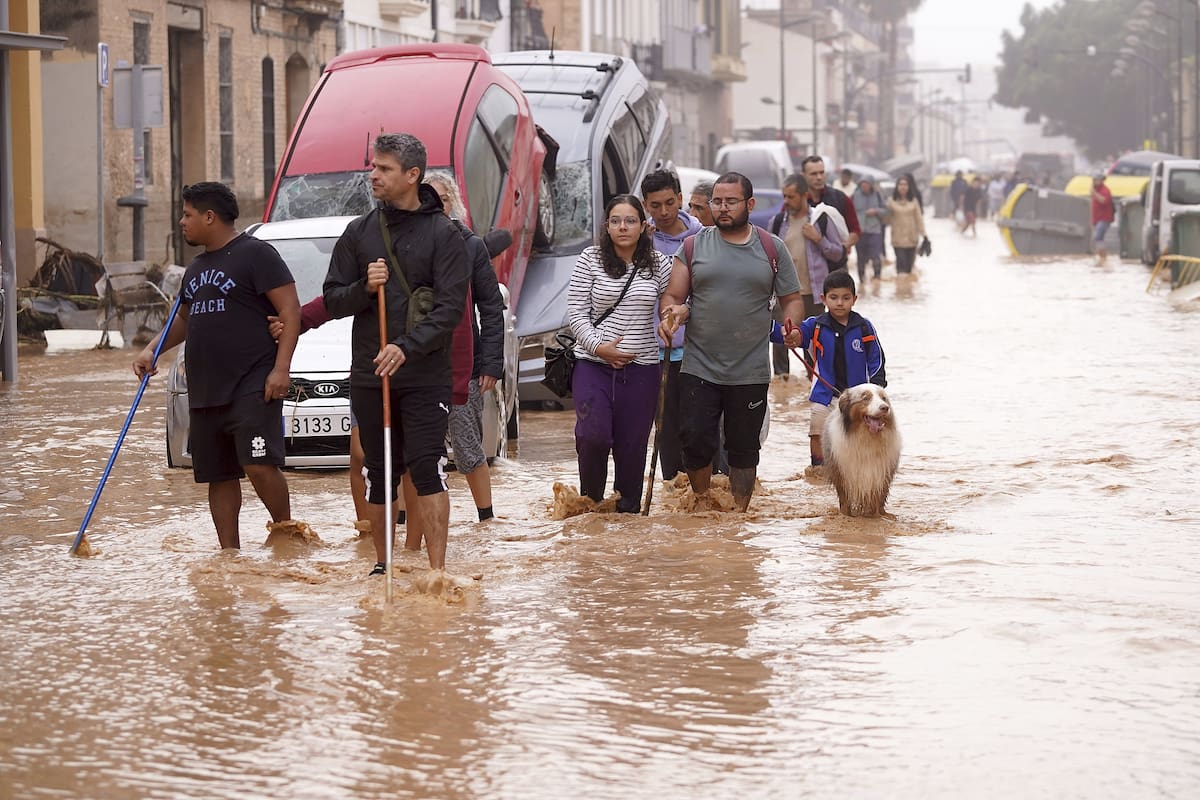
DANA et inondations : comment réclamer correctement auprès de votre assurance et du Consorcio de Compensación de Seguros
Lorsqu’une DANA ou une inondation grave survient, de nombreux assurés découvrent que la réclamation n’est pas aussi simple que déclarer le sinistre et...
10/30/2024