Pourquoi réclamer une assurance habitation est si compliqué
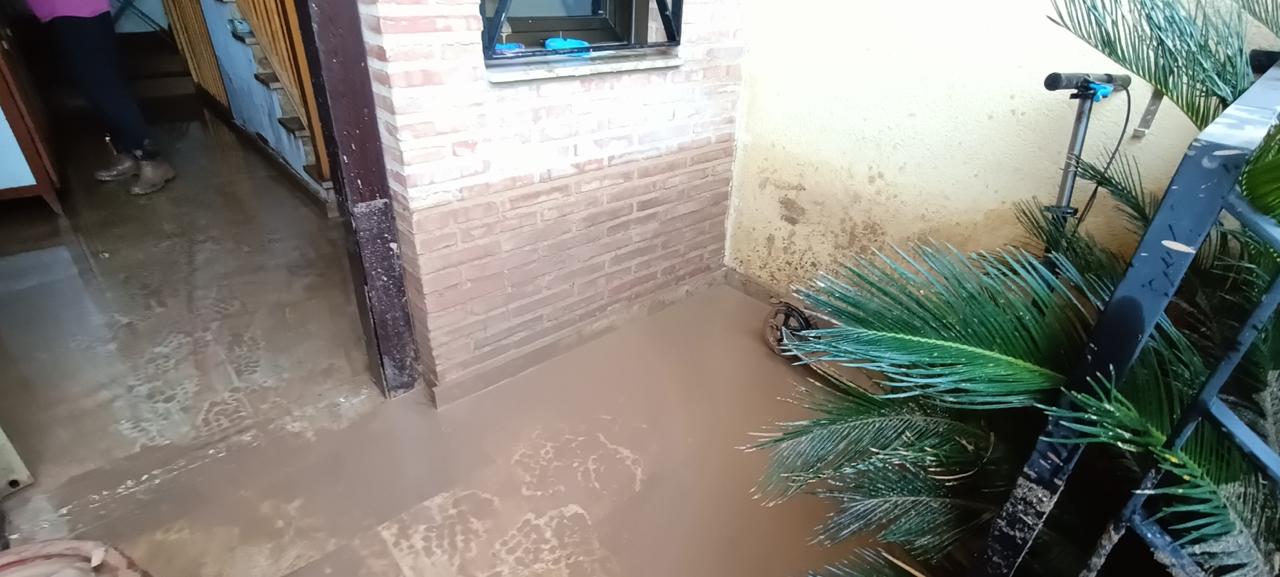
In theory, making a home insurance claim should be simple: damage occurs, the insurer is notified, and compensation follows. In reality, many policyholders discover that the process is far more complex and exhausting than expected.
The difficulty usually lies not only in the damage itself, but in how the claim is handled from the very beginning.
Policy language not designed for policyholders
One of the main obstacles is the policy wording. It is written in technical language that most people do not use in everyday life.
Terms such as contents, building, exclusions, limits, or excess are often briefly explained when the policy is sold, but become critical once a claim arises.
When policyholders do not fully understand what their policy covers, the claim starts at a disadvantage.
Contents vs building: the source of many disputes
Correctly distinguishing between contents and building is essential in home insurance claims.
As a general rule:
- Contents include personal belongings, furniture, appliances, and movable items.
- Building refers to the structure, fixed installations, and permanent fixtures.
A simple test often helps:
if you turned the house upside down, would the item fall or remain fixed?
Incorrect classification can significantly reduce compensation from the outset.
The challenge of proving the value of losses
After a loss, many policyholders struggle to prove the value of what they owned.
Receipts for items bought years ago or received as gifts are rarely kept. In these cases, insurers often apply depreciation or standard valuations that do not reflect real replacement costs.
Without proper justification, settlements are frequently lower than expected.
Fast assessments and incomplete valuations
To speed up claims, video assessments and quick inspections are increasingly common. While useful in some cases, they have clear limitations.
Hidden damage, technical elements, or issues that appear days later may be overlooked. Many initial valuations are provisional, but if not reviewed in time, they can become final.
Why claims get stuck
A combination of:
- unclear policy wording
- insufficient documentation
- rapid assessments
- and lack of technical criteria
causes many claims to stall or end with inadequate compensation.
This is rarely due to bad faith on the policyholder’s part, but rather a lack of knowledge of how the process works.
What makes the difference in a home insurance claim
Successful claims usually share key elements:
- a clear and chronological account
- proper documentation
- correct interpretation of the policy
- and technically sound arguments
When these aspects are addressed, the policyholder’s position improves significantly.
Are you facing this situation?
If you have suffered damage to your home and feel that your claim is not progressing or does not reflect the real loss, you do not have to face it alone.
At MataSeguros, we review home insurance claims with technical expertise and no obligation, identifying issues and potential improvements.
👉 Talk to a home insurance claims specialist
In summary
Claiming on home insurance is complicated because technical, contractual, and emotional factors all come into play. Understanding the process and acting with the right information is the best way to avoid mistakes and unnecessary stress.
A well-prepared claim is not a confrontation, but a way to assert your rights as a policyholder.
Fecha de creación: 2024-11-16
Última edición: