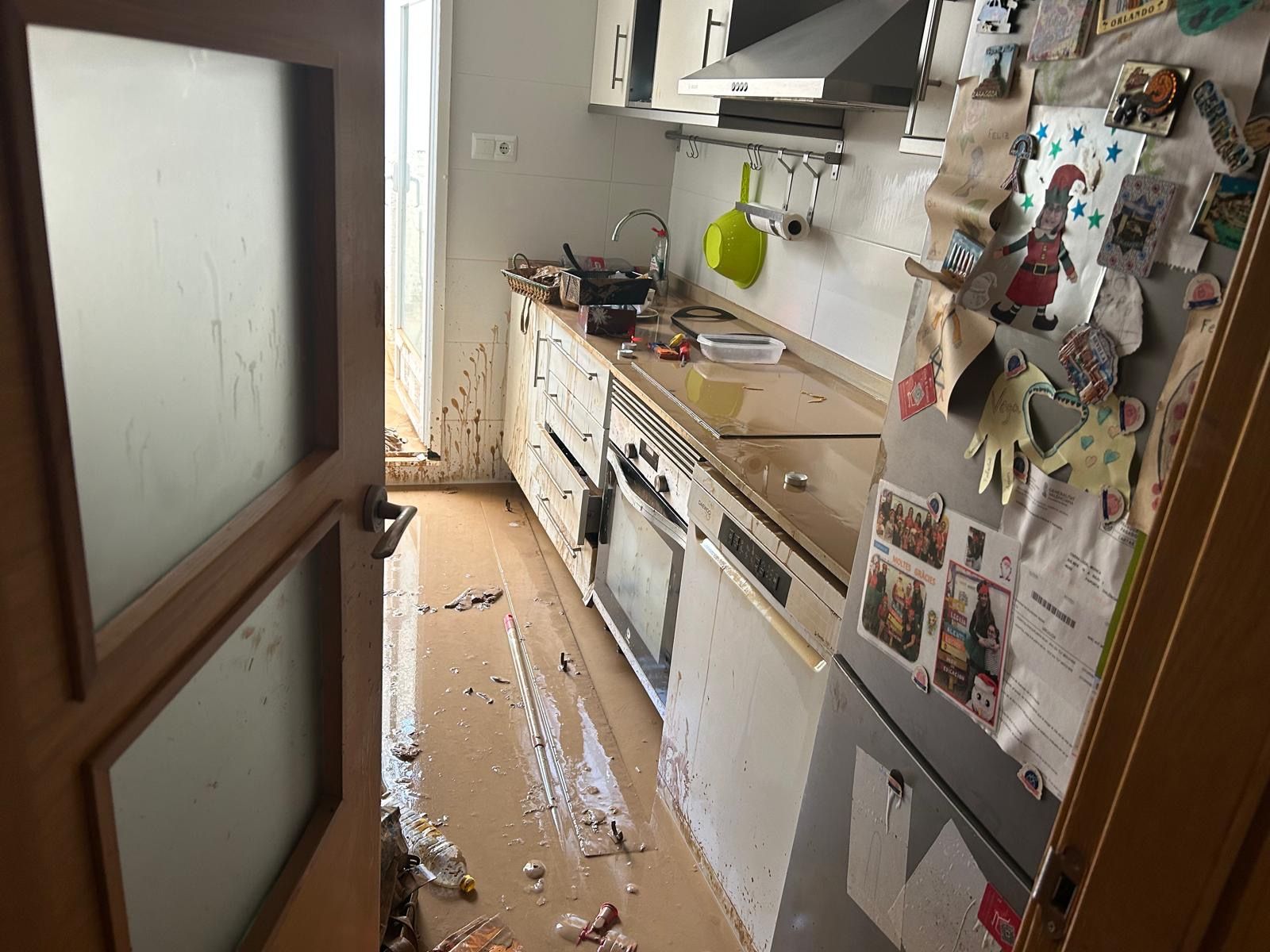
Real case: closed claim reopened after an administrative error and compensation above €25,000
In some claims, the problem is not the damage itself, but how the insurance policy is handled administratively. This case is a clear example of how a banking domiciliation error can lead to a claim being closed and how it can be reopened when it is proven that the mistake was not the policyholder’s responsibility.
This case concerns a home affected by the DANA whose claim was initially rejected because the policy was considered cancelled due to non-payment.
Initial closure of the claim
Before the loss, the policyholder had cancelled the policy. The insurer later reactivated it.
The issue arose at that point:
- When reactivating the policy, the insurer used outdated bank account details
- The updated bank details were not applied
- The premium was sent to a bank account that no longer existed
As a result, the payment was not processed correctly and, after the DANA occurred, the insurer stated that the policy was not in force at the time of the loss.
The claim was closed on the grounds of non-payment.
Late regularisation and administrative deadlock
Once the problem was identified, the situation was regularised 40 days after the DANA, and the outstanding premium was paid.
However, despite this regularisation, the insurer maintained its initial position and kept the claim closed, arguing that the payment had not been made within the required timeframe.
At that point, the case was set aside, not due to a lack of damage, but due to exhaustion and administrative blockage.
Case review and key evidence
When the claim was reviewed in detail, a decisive point was identified: the error was not attributable to the policyholder, but to the insurer’s use of incorrect banking details.
The following evidence was obtained:
- A document issued by the brokerage explaining the domiciliation error
- A screenshot proving that the premium had been sent to a non-existent bank account
- Full traceability of the policy reactivation process
This documentation made it possible to demonstrate that there was a clear intention to pay and that the rejection was based on an administrative error.
Reopening of the claim
Based on this evidence, a formal request was made to reopen the claim, proving that:
- The policy had been reactivated by the insurer
- The banking error was not the policyholder’s responsibility
- The loss should be considered covered
After reviewing the documentation, the insurer agreed to reopen the claim and recognise coverage.
Current status of the case
At present, the claim has achieved:
- Approval of compensation exceeding €25,000
- Initiation of the process to recognise loss of use of the property
- Review of building-related damage due to significant impact on the property
- Analysis of potential underinsurance of contents, which is currently under review to adjust the compensation
The case is still ongoing, but the situation is completely different from the initial rejection.
What this case demonstrates
This case highlights several key points:
- A claim may be closed due to administrative errors rather than lack of coverage
- Cancelling and reactivating a policy requires correct data management
- Late payment of a premium does not automatically invalidate a claim
- Proper documentation can completely change the outcome
- An initial “not covered” decision is not always final
Conclusion
A closed claim does not necessarily mean the case is lost.
In many situations, it simply means that the claim was not reviewed with the level of detail required, especially when administrative errors beyond the policyholder’s control are involved.
Reviewing these cases calmly and thoroughly can make a significant financial difference.
Does your case look similar?
If your claim was rejected or closed for an administrative reason and you have always wondered whether the decision was fair, it may still be worth reviewing.
Revisa tu caso