Vehicle appraisal: how a car is valued after an accident
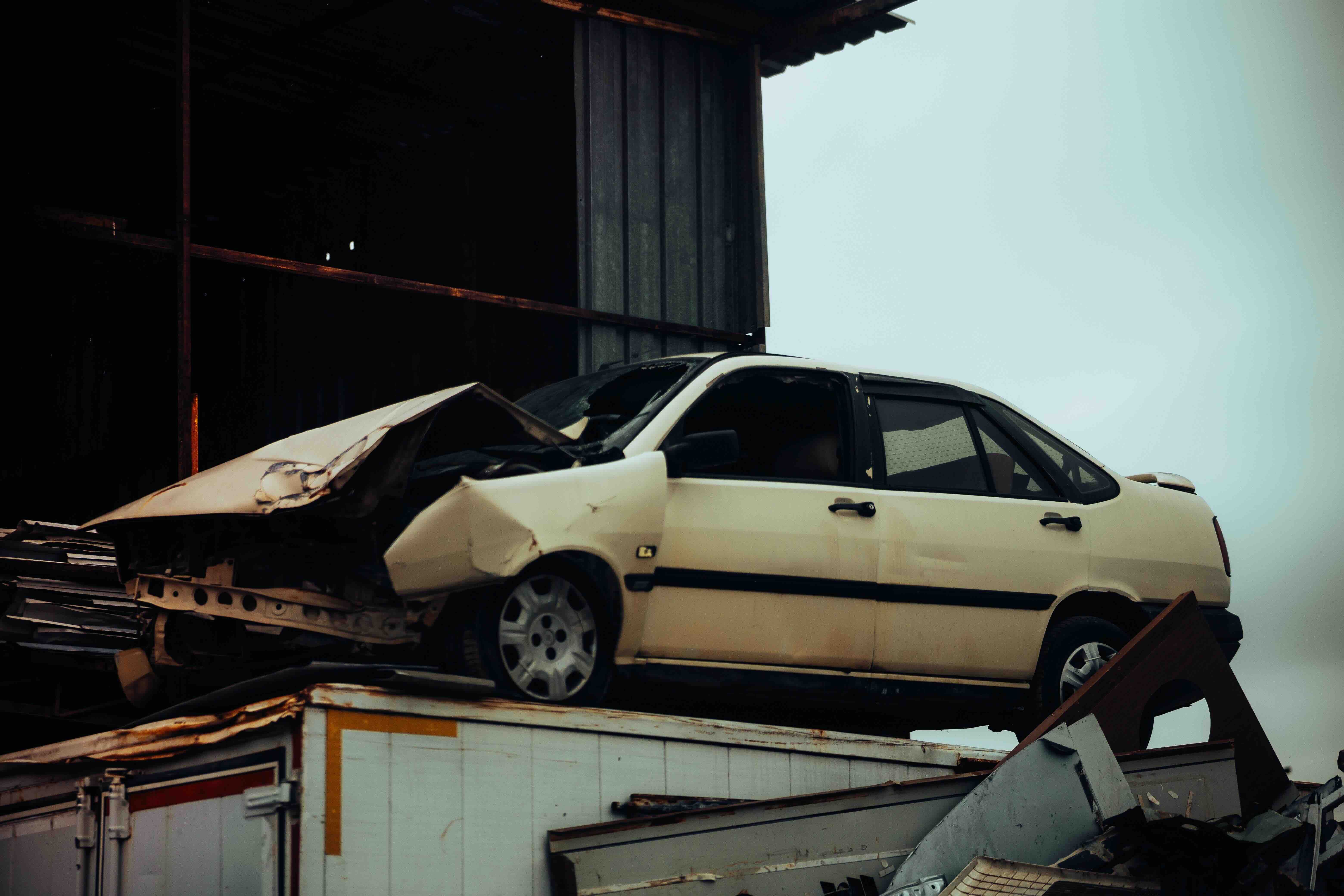
When a vehicle is involved in a serious accident, many people discover that the problem isn't just the damage itself, but how the vehicle is valued.
For "normal" cars, insurance companies usually rely on standard valuations.
But when we talk about non-standard vehicles, that system starts to break down.
And that's where low compensation claims come into play.
In this article, we explain what is considered a non-standard vehicle, why insurance companies often undervalue them, and what real leeway exists to argue for a correct valuation after an accident.
What is considered a non-standard vehicle?
A non-standard vehicle is one that doesn't fit neatly into the generic valuation criteria used by insurance companies and reference tables.
Among them we find:
- Vehicles with relevant extras not reflected in the tables
- High-end cars or special editions
- Imported vehicles
- Classic or collector cars
- Camper vans
- Adapted commercial vehicles
- Vehicles with low actual mileage or exceptional maintenance
The problem isn't that they're insured, but that they're valued as if they were generic vehicles.
The automatic use of tables (GANVAM and similar)
After a total loss, many insurance companies almost automatically apply reference tables like GANVAM.
These tables:
- Are indicative
- Work reasonably well for standard vehicles
- Don't take into account many real-world specifics
When the vehicle doesn't fit that profile, the table no longer reflects the true market value.
This leads to:
- Extras not being taken into account
- The vehicle's actual condition being ignored
- Standard depreciation being applied
- Compensation being offered that doesn't cover the cost of replacing the car
High-end vehicles and special editions
For high-end cars or special editions, the discrepancy can be significant.
It's common to see:
- Expensive optional packages not reflected in the valuation
- Limited editions valued as base models
- Certified maintenance records ignored
- The actual market value very different from the "theoretical value"
In these cases, accepting an automatic valuation usually results in a significant financial loss.
Classic and collector cars
For classic vehicles, the problem is even greater.
The valuation tables:
- Don't reflect restorations
- Don't value originality
- Don't take into account actual demand
- Don't follow the collector market
A poorly valued classic car can end up far below its real value, even if it's properly insured.
Campervan Conversions: One of the Major Current Issues
Campervan conversions are one of the areas where we are seeing the most conflicts.
Common problems:
- Undeclared campervan conversion
- Insufficient coverage limits
- Confusion between the vehicle and its contents
- Interior equipment ignored
- Legal modifications not reflected in the policy
In many cases, the vehicle is valued as a standard van, completely ignoring the actual investment made.
Total Loss Doesn't Always Mean Real Loss
The declaration of total loss is based on internal economic criteria.
Often:
- The repair is technically feasible
- The cost has been inflated
- Specialized repair shops haven't been compared
- The vehicle's true value hasn't been analyzed
For non-standard vehicles, this declaration should be analyzed with particular care.
What Can Be Discussed in a Vehicle Valuation
A valuation can be reviewed when:
- The vehicle has special characteristics
- There are real market comparables
- Extras have not been taken into account
- The expert report is generic
- The applied table does not reflect reality
This is where the technical expertise and analysis of the file make all the difference.
Relationship with Underinsurance and Insured Value
In some cases, underinsurance also appears:
- Incorrectly set limits
- Outdated values
- Undeclared modifications
This can lead to the application of the proportional rule, even for vehicles.
Understanding how these concepts interact is key to not accepting automatic reductions.
Conclusion
Non-standard vehicles cannot be valued using standard criteria.
Accepting automatic compensation based solely on tables can result in a significant loss, especially for special vehicles, campervans, classic cars, or high-end vehicles.
Each case requires an individual, technical and realistic analysis of the vehicle's market value.
Fecha de creación: 2026-01-02
Última edición: