Solar panels and insurance: coverage, exclusions and common problems
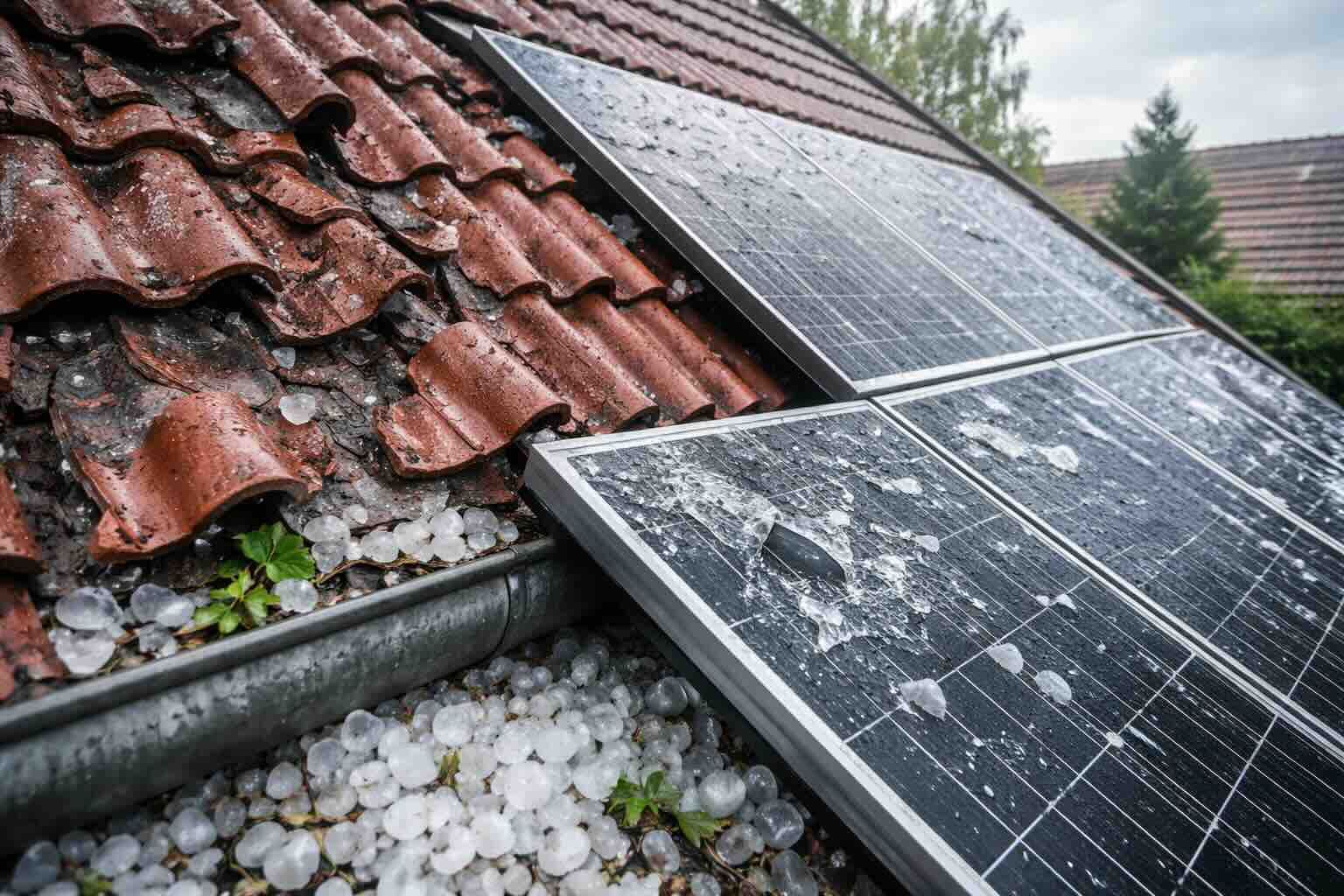
The installation of solar panels in homes and businesses has grown rapidly in Spain over recent years. Public subsidies, rising energy costs and the search for energy independence have led thousands of property owners to install photovoltaic systems.
However, many policyholders are unaware of how these installations are insured and what happens when damage occurs due to hail, wind or electrical surges.
When did solar panels start being included in insurance policies?
For many years, solar panels were not specifically declared in home insurance policies. In many cases:
- they were considered part of the building without being detailed,
- insured amounts were not updated after installation,
- or the installation was never communicated to the insurer.
As residential solar installations became widespread, insurers began to:
- require explicit declaration,
- introduce specific coverage clauses,
- apply limits and exclusions.
The problem is that many current policies do not accurately reflect the real value of installed solar panels.
How common are solar panels in Spain?
According to energy sector data and institutions such as IDAE, more than 500,000 homes in Spain now have photovoltaic installations for self-consumption, a figure that has increased sharply following recent public aid programs.
This rapid growth has led to:
- outdated insurance policies,
- frequent underinsurance,
- unclear claim handling criteria.
What does insurance usually cover for solar panels?
Depending on the policy, coverage may include:
- hail damage
- wind
- fire
- power surges
- accidental damage
Provided that:
- the installation is declared,
- insured values are adequate,
- and no specific exclusion applies.
👉 The issue is rarely coverage itself, but how the damage is assessed.
Common exclusions and problems
Claims involving solar panels often face:
- exclusions for undeclared installations
- low compensation limits
- damage classified as “cosmetic”
- partial replacements with incompatible panels
- no assessment of performance loss
- hidden damage not taken into account
After hailstorms, panels may still function while suffering reduced efficiency and shortened lifespan, factors frequently ignored in initial assessments.
Hidden damage: the main issue
Solar panels do not always show visible damage. Common problems include:
- microcracks
- gradual performance degradation
- future failure risk
- incompatibility when only part of the system is replaced
Accepting partial repairs may create technical and financial problems over time.
When should compensation be reviewed?
It is advisable to review the claim when:
- only some panels are replaced
- efficiency loss is ignored
- compensation does not cover full replacement
- public subsidies are not considered
- insured values are unclear
Many policyholders accept the first offer without realizing that compensation may be insufficient.
How we can help
At MataSeguros, we handle solar panel claims from a technical and practical perspective:
- reviewing policy coverage and exclusions,
- analyzing loss assessments,
- identifying visible and hidden damage,
- defending fair compensation that allows full recovery.
Conclusion
Solar panels are now a key asset for many homes and businesses, yet they remain one of the most poorly understood items in insurance claims.
When a loss occurs, the outcome often depends on how the claim is presented and defended.
👉 If your solar panels have been damaged and the insurer’s valuation does not seem fair, it is advisable to seek information before accepting.
Fecha de creación: 2026-01-06
Última edición: