Loss of profit: the loss of profits of a business after a loss
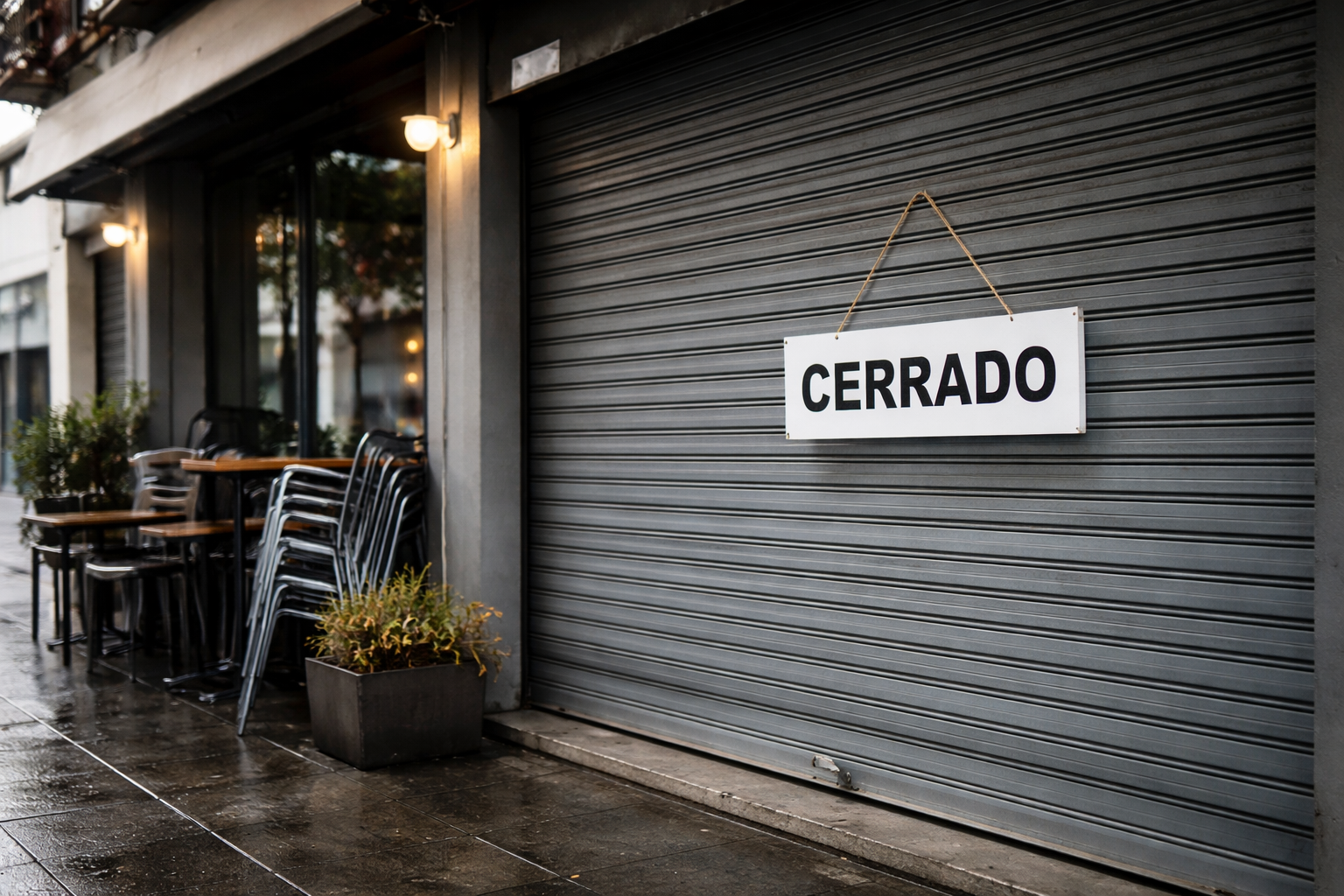
When a serious loss occurs — a fire, a flood or a DANA event — the problem does not end when the flames are extinguished or the water recedes. In many cases, the worst part comes afterwards: the business cannot reopen, reopens partially, or operates far below normal levels for weeks or months.
This is where two concepts that often cause confusion come into play: business interruption and loss of profit. Understanding how they work and how to claim them is essential to avoid bearing economic losses that should, in fact, be covered by the insurance policy.
In this article we explain how these coverages work in practice, what insurers usually dispute, and how to claim correctly when the compensation does not reflect the real situation of the business.
What is business interruption and what is loss of profit?
Although they are often used interchangeably, they do not always mean exactly the same thing.
Loss of profit (business interruption) refers to the loss of earnings suffered by a business as a direct consequence of an insured loss. In other words, the profit the business would have generated had the loss not occurred.
Loss of operation is usually a broader concept, including: • loss of income • ongoing fixed costs • reduction in activity • economic impact derived from the loss
In practice, what matters most is not the terminology, but what your policy covers and how the loss is calculated.
Types of businesses most commonly affected
In our experience, business interruption claims arise mainly in: • bars and restaurants • retail shops open to the public • mechanical and electrical workshops • warehouses • jewellery stores • commercial premises • customer-facing businesses • income-generating properties (rental or professional use)
These situations occur especially after fires and floods, including those caused by DANA events.
Total closure vs partial reopening: one of the main disputes
A common misconception is that business interruption only exists if the business is completely closed. This is not true.
Total closure When a business cannot open at all, the loss is usually easier to identify. In severe losses, particularly after DANA events, we have dealt with businesses closed for up to six months, either due to the extent of the damage or the impossibility of repairing sooner. In more common situations, closures typically last two to four months.
Partial reopening This is where most disputes with insurers arise.
A business may: • reopen without a kitchen • operate with reduced space • lack essential machinery • have reduced opening hours • reopen but be unable to provide its usual service
In these cases, loss of operation may still apply, even without a full closure.
Many policies recognise this situation when turnover falls below certain thresholds (for example, 60 % or 80 % compared to comparable periods). This depends on the specific policy and must be analysed case by case.
Important: business interruption is often a separate claim
A frequent mistake is assuming that business interruption is automatically handled together with material damages. This is usually not the case.
In many situations: • the opening of a business interruption claim must be expressly requested • it is processed as a separate file • it involves its own assessment and documentation
If it is not requested in time or properly presented, the insurer may close it without compensation.
What insurers usually dispute (and why)
In practice, the most common disputes include: • shortening the indemnity period by claiming repairs should have been completed earlier • stating the business could reopen even if it was not viable • calculating based on figures that do not reflect reality • excluding fixed costs such as staff, rent or utilities • questioning the documentation provided • minimising the real impact of the loss
In some cases, insurers even argue that the insured should have applied temporary layoffs (ERE), as seen in disputes involving jewellery businesses. These discussions require serious technical and legal analysis.
Common documentation issues
One of the biggest obstacles arises in businesses with cash-based turnover, such as: • bars • restaurants • dry cleaners • small retail shops
Insurers often demand documentation that does not accurately reflect the real activity of the business. If the claim is not structured correctly, compensation may fall far short of the actual loss.
Relationship with material damage
Business interruption does not exist in isolation. It depends directly on: • the severity of material damage • the real repair timeline • technical limitations to reopening
For this reason, an incorrect valuation of material damage often leads to an incorrect valuation of business interruption, especially in cases involving low or incomplete loss assessments.
Fires and floods: the most common scenarios
Business interruption mainly arises from: • fires affecting active businesses or income-generating properties • floods and DANA events • water damage forcing closure or operational limitations
Relationship with underinsurance
Even when business interruption is correctly assessed, another issue may arise: underinsurance. If the insured amount does not reflect the real value, the insurer may apply the proportional rule and reduce the compensation.
Understanding how this mechanism works is essential.
What the insured can do to claim correctly
In business interruption cases, the insured can: • request the opening of a business interruption claim • properly document the loss of income • justify real fixed costs • compare equivalent periods • challenge unrealistic repair timelines • refuse premature claim closures
In how to correctly claim damages in homes and businesses, we explain this process step by step.
Conclusion
Business interruption is not a secondary coverage. In many losses, it represents the most significant part of the damage, as it directly affects the viability of the business.
Understanding when it applies, how it is calculated and how to claim it is essential to avoid bearing losses that should be covered by insurance. A well-prepared claim makes the difference between surviving a loss or suffering its consequences for years.
Fecha de creación: 2025-09-11
Última edición: