Common mistakes when dealing with an insurance adjuster
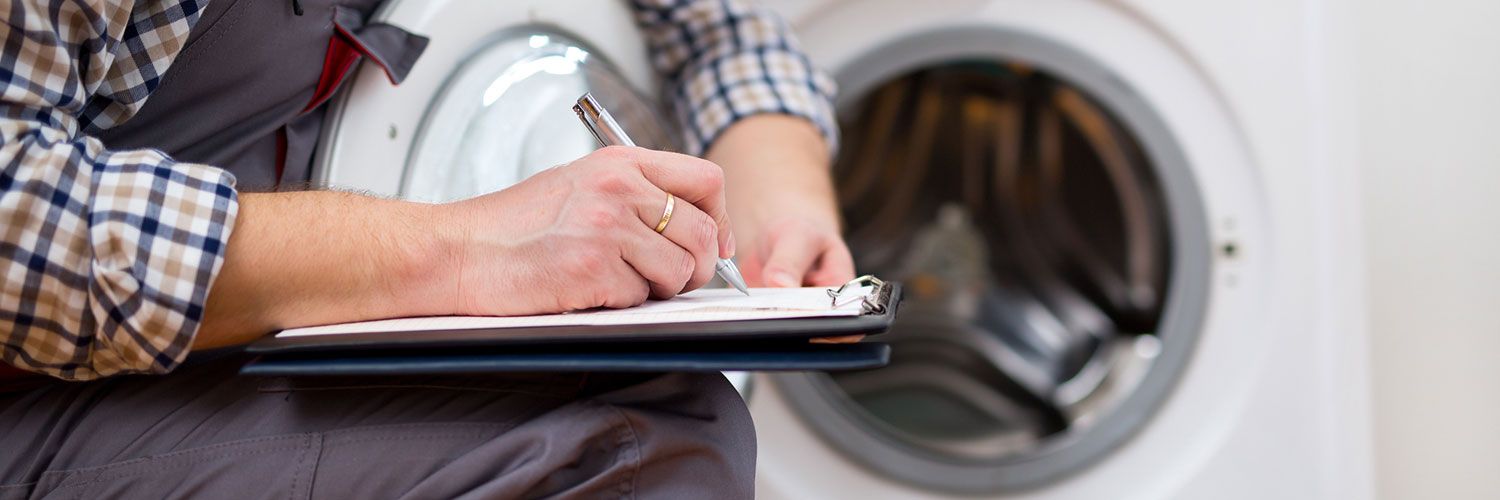
When a claim occurs and the insurance adjuster arrives, many policyholders focus on just one thing: “making sure they see the damage.” But there is something just as important — and often overlooked — how the inspection itself is handled.
Your attitude, the order in which things are shown, how you explain the damage, and how you accompany the adjuster can strongly influence the final report.
In this article, we explain how to act during an insurance adjuster’s visit, what to do (and what not to do), which damages are often overlooked, and how to ensure a fair and complete assessment without unnecessary conflict.
The adjuster’s visit is not a formality — it’s a key moment
The adjuster’s report determines:
- whether the claim is paid
- how much is paid
- which items are accepted
- which are rejected
And that report is largely shaped during the inspection.
Improvisation or emotional reactions usually work against you.
Basic attitude (crucial, even if it sounds obvious)
This may seem simple, but it makes a big difference:
- Be polite and respectful
- Avoid arguments or confrontation
- Do not accuse or pressure
- Do not use sarcasm or threats
The adjuster is not your enemy, but they are not your advocate either. Their willingness to look deeper matters.
A tense environment often results in:
- rushed inspections
- superficial reports
- less attention to hidden damage
What to do before the adjuster arrives
Prepare a clear inspection route
Plan in advance:
- where to start
- which areas are critical
- which damages are not obvious
Do not improvise.
Prepare documentation
Even if you don’t use it all immediately:
- photos from the first day
- videos
- repair estimates
- technical reports if available
During the inspection: how to accompany the adjuster properly
Stay with them — without hovering
Do not leave them alone, but don’t pressure them either.
- Accompany
- Explain
- Point things out
- Answer questions calmly
Your role is to guide, not to control.
Make sure everything is seen — even “minor” damage
Many serious issues start small:
- moisture at baseboards
- doors that no longer close properly
- swollen frames
- recent stains
- persistent odors
Explain calmly:
“This started after the incident”
“This wasn’t like this before”
“It’s getting worse over time”
Encourage photos (politely)
Do not assume everything is documented.
You can say:
- “Would it help to take a photo of this?”
- “Do you want this included in the report?”
- “This may not look serious yet, but it’s progressing”
Damages often overlooked if not explained properly
Electrical systems after flooding
Even if they “work,” they may suffer:
- internal oxidation
- corrosion
- future failure risk
Explain it logically, not emotionally.
Swollen doors, frames, and furniture
With as little as 20–30 cm of water:
- doors warp
- frames absorb moisture
- furniture deteriorates internally
Often dismissed as cosmetic if not explained.
Residual moisture after cleanup
After water removal:
- walls remain saturated
- paint peels weeks later
- floors lift over time
This is rarely visible during a quick visit.
Use of dehumidifiers
Explain:
- how long they ran
- why they were necessary
- what would happen without them (mold, further damage)
Use of ozone after fires
Smoke damage is not just smell:
- it’s toxic
- it penetrates materials
- it affects habitability
Without treatment, the issue persists.
What NOT to do during the inspection
- Do not argue
- Do not raise your voice
- Do not negotiate figures on-site
- Do not threaten complaints
- Do not pressure the adjuster
That comes later, with documentation and technical support.
Quick checklist before the adjuster leaves
Make sure:
- all affected areas were inspected
- sufficient photos were taken
- hidden damages were noted
- humidity, odors, and deformations were acknowledged
- habitability impact was understood
You can calmly ask:
“Do you feel everything has been properly documented?”
After the inspection, the real work begins
The visit is not the end.
Next steps include:
- reviewing the report
- checking the breakdown
- identifying missing items
- reviewing debris removal, mitigation, and relocation limits
- separating structure, contents, and temporary housing
This is where many claims fall short.
The added value of MataSeguros
At MataSeguros, we:
- prepare clients before inspections
- explain what to show and how
- attend inspections when needed
- review reports afterward
- identify overlooked damages
- claim based on technical grounds, not emotion
And most importantly: we provide peace of mind.
Conclusion
An adjuster’s visit is not a confrontation — it’s an opportunity. Handled correctly, it sets the foundation for a successful claim.
Being polite, structured, and technically clear is not weakness. It’s preparation.
Worried your inspection didn’t go well?
We review adjuster reports, identify missing damages, and assess whether your compensation can be improved.
👉 Speak with our team and review your case
We only charge if you get paid.
Fecha de creación: 2024-12-10
Última edición: