Damage to homes and businesses: How to claim when the insurer does not pay
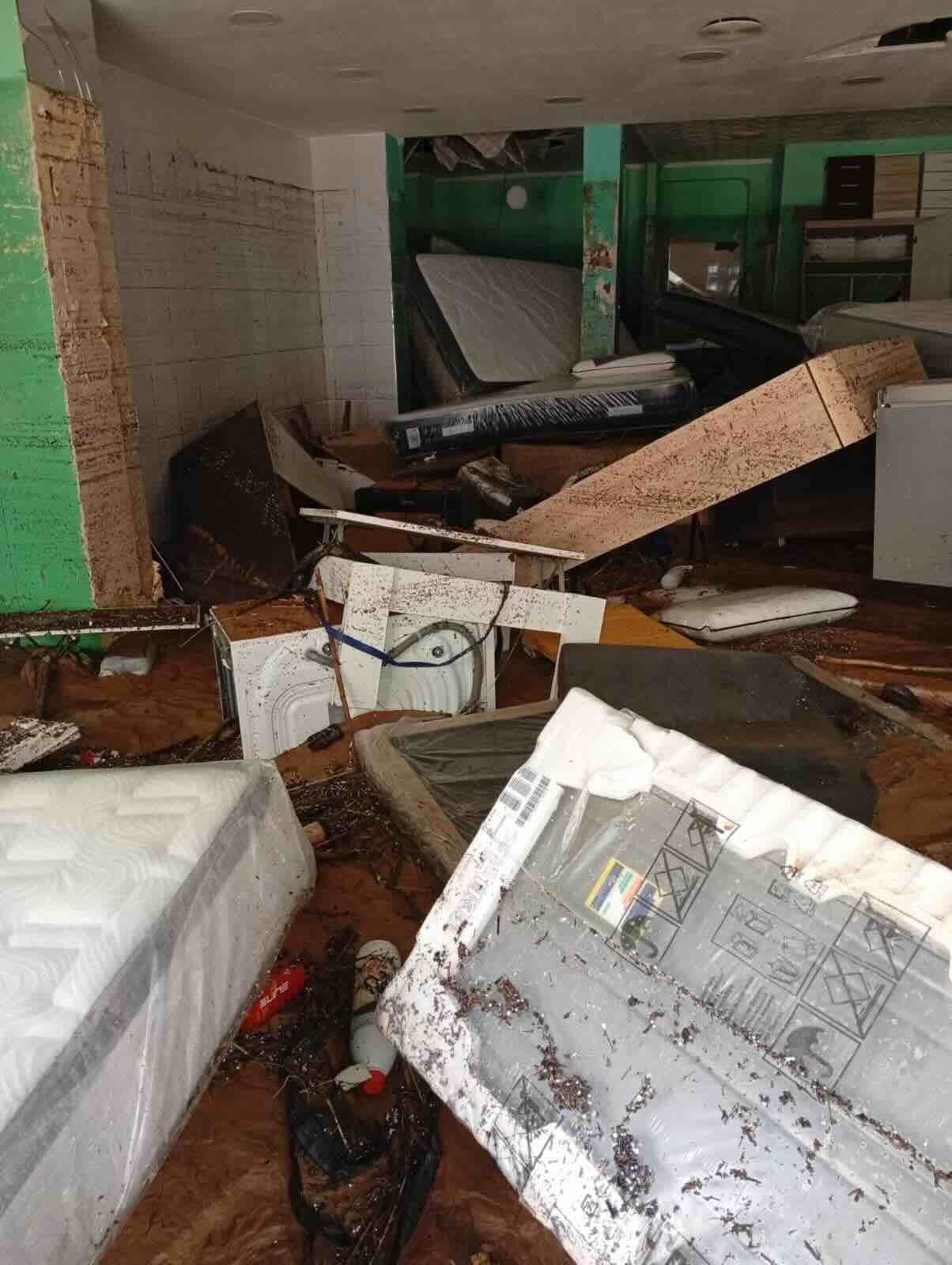
What no one explains when an insurer values damage after a flood, storm or fire
After a flood, fire or severe weather event, many people realise that the real problem is not only the damage itself, but why the insurer’s compensation offer is not enough to repair or recover.
At MataSeguros, we regularly work with homeowners and business owners who have already contacted their insurer or the Insurance Compensation Consortium, received a site visit and even an initial offer — yet that offer is far below the real cost of reconstruction.
This guide is not sales material and does not replace a technical report. Its purpose is simple: to help you understand what is really happening, why it happens so often, and where compensation is lost without the policyholder realising it.
The real issue after a loss is not the damage, but the valuation
In most cases we review, the loss is covered by the policy. Problems arise later, during the assessment process, due to: • incomplete damage scope • missing line items • incorrect application of underinsurance • confusion between private insurers and the Compensation Consortium
Many people reach this stage after weeks of calls and emails, feeling that no one is clearly explaining their case.
Water damage, flooding and severe storms: where most losses occur
After major flood events, the same problems appear repeatedly: • insured values that do not reflect real reconstruction costs • fast inspections where hidden damage is not included
In some cases reviewed after major floods, initial valuations covered less than 30% of the real rebuilding cost, simply because non-visible damage was excluded.
There is also frequent confusion between: • rain damage (normally insured) • flood damage (often handled by the Consortium) • mixed events incorrectly reported from the outset
Fire damage: smoke and mitigation costs matter
Fire claims rarely involve only flames.
Commonly disputed items include: • smoke and soot damage • water damage caused by firefighting • alleged negligence exclusions
Many fires start in kitchens, electrical appliances or everyday situations. This does not automatically justify a claim denial.
Electrical damage: often underestimated
Electrical damage is complex and frequently minimised. Without a full inspection, damage is often attributed to wear, poor maintenance or lack of proof.
Underinsurance: the silent loss multiplier
Underinsurance is one of the most misunderstood issues.
A key point: insured value is not market value or cadastral value. It must reflect real reconstruction cost, which has increased significantly in recent years.
Kitchens alone can represent €5,000–€9,000 in rebuilding costs, excluding appliances. If included in contents, underinsurance appears quickly without the policyholder realising it.
Expert assessments: where claims are won or lost
Many losses are underestimated simply because: • certain items were not visible • electrical systems were not fully reviewed • partial repairs were proposed instead of full reconstruction
Knowing when to involve an independent expert is critical.
Loss of use and business interruption
When a property cannot be lived in or a business must close, losses go far beyond physical damage. Loss of use and business interruption are frequently overlooked or underclaimed.
Real experience
By correcting underinsurance, incomplete assessments and missing items, more than €5 million in additional compensation has been recovered for clients affected by severe flood events — not through litigation, but through correct valuation.
Final thought
After reading this guide, you should feel: • informed • reassured • capable of understanding your claim
That is how we work at MataSeguros.
Fecha de creación: 2025-03-12
Última edición: