Smoke damage, mitigation works and secondary effects after a fire: what insurers often undervalue
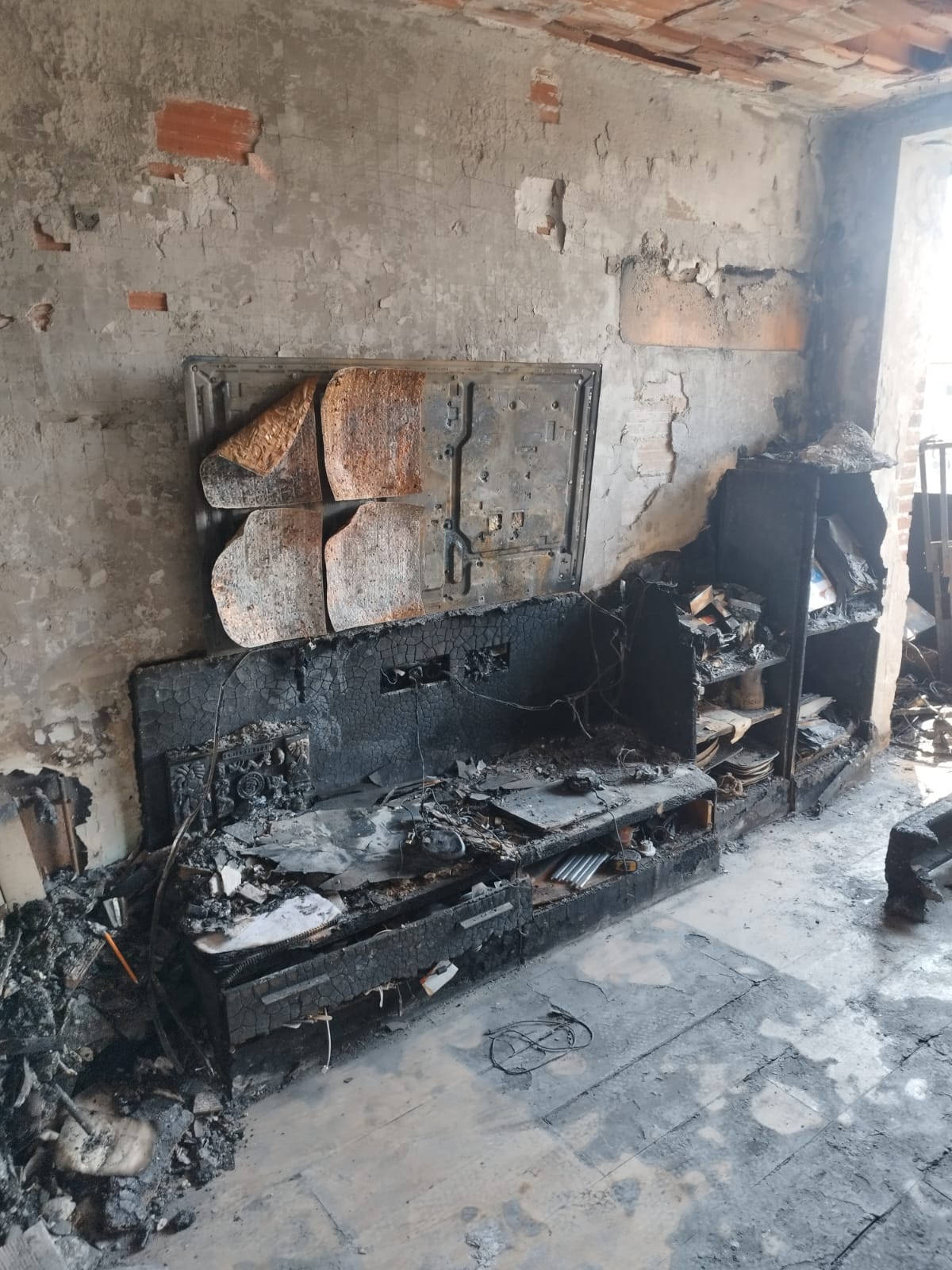
When a fire occurs, most people assume that the main damage is caused by flames. In practice, however, fire is rarely the only issue. In most claims, what starts as a localised incident ends up causing extensive damage from smoke, heat, water, firefighting foam and mitigation works carried out to prevent further harm.
These combined damages — smoke, water, foam and dismantling — are the ones most frequently undervalued in the initial loss assessment, leading to settlements that do not allow for a proper restoration of the property.
In this article we explain how these damages occur, why cleaning or repairing what is visible is often not enough, and what policyholders can do when the insurer’s valuation does not reflect the real extent of the loss.
Smoke as the main source of damage, even when the fire was localised
In many fires, the source of ignition is limited to a specific area, such as a kitchen or an electrical installation. However, smoke and hot gases spread rapidly throughout the entire property, affecting rooms that were never in direct contact with flames.
Smoke penetrates porous materials, settles on walls, ceilings and floors, contaminates installations and causes persistent odours. For this reason, even when the fire itself was limited, the overall damage is often widespread, as commonly seen in fire damage claims in residential and commercial properties.
⸻
Fire, smoke, water and foam: when damages overlap
Firefighting intervention almost always involves mitigation measures. These actions, which are essential to extinguish the fire, typically include large amounts of water and foam that spread throughout the property.
As a result: • floors initially unaffected become damaged • water and foam penetrate beneath flooring • materials lose adhesion and structural stability
What begins as a localised fire often ends up affecting the entire property. Artificially separating fire damage from water damage usually leads to incorrect assessments, when in reality both form part of the same insured event, as occurs in many water damage claims following a fire.
Floors and tiles: why “they haven’t fallen off” is not enough
One of the most disputed aspects after a fire is the condition of floors and ceramic finishes. It is common for loss adjusters to state that tiles or flooring can remain because they have not detached.
However, the absence of detachment does not mean the material is fit to remain. After a fire, floors and tiles may suffer micro-cracks caused by thermal shock, loss of adhesion due to moisture or foam, colour alteration or internal degradation that is not visible on the surface.
In these cases, a durable and uniform repair cannot be guaranteed, making full replacement technically necessary even if the damage is not immediately visible.
Cleaning versus replacement: the most common mistake
Another frequent issue is the proposal of cleaning when replacement is required. This typically affects smoke-contaminated walls and ceilings, porous materials, fitted kitchens, built-in furniture and fixed installations.
Persistent odour is not a minor inconvenience. It indicates deep contamination. When smoke has penetrated the material, superficial cleaning does not resolve the problem — it only delays it.
Electrical systems affected by smoke and heat
Smoke and heat also affect electrical installations even without direct flame contact. In many fires, cable insulation degrades, junction boxes become contaminated and electrical panels suffer thermal damage.
If the installation is not thoroughly inspected, these damages are excluded from the initial assessment, despite representing a real future safety risk. This situation is common in electrical damage claims after a loss.
Mitigation works: necessary damage that must be compensated
Actions taken to prevent further harm — openings, dismantling, cutting, removal of elements or temporary structural measures — form part of the insured loss. Nevertheless, they are often treated as collateral damage, excluded or undervalued.
Mitigation works are not optional, and their consequences must be correctly included in the final settlement.
Undervalued assessments in smoke and fire damage claims
In complex losses such as fires, rapid assessments tend to focus on what is immediately visible: burned or broken elements. Progressive damage, technical affectations and the true need for replacement are frequently overlooked.
When the loss report does not reflect the full extent of the damage, the policyholder is not obliged to accept it. In such cases, it is essential to understand when to appoint an independent loss adjuster.
Real case: residential fire damage in Madrid
A clear example of this situation involved a real residential property in the city of Madrid, measuring approximately 65 m² with three bedrooms. The fire originated in the kitchen, and initially the wooden flooring appeared unaffected.
However, during firefighting operations, extinguishing foam spread throughout the home, penetrating beneath the flooring and causing irreversible damage. Tiles were initially considered salvageable, despite having suffered thermal shock and internal deterioration.
Two insurance policies were involved: the homeowner’s policy and the building’s community policy. Certain elements — such as the patio, slab structure and exterior terrace area — were considered private property, requiring a technical allocation of responsibilities.
After a comprehensive assessment, damages to both building and contents were confirmed at approximately €105,000, far exceeding the initial offer. This case illustrates how a localised fire can result in widespread damage and how superficial assessments lead to insufficient compensation.
The role of underinsurance
In some cases, even when damages are correctly identified, underinsurance further reduces the settlement. When the insured sum does not reflect the real value of the property, insurers may apply proportional reduction.
For this reason, it is important to understand how underinsurance affects insurance claims and how the proportional rule works.
What policyholders can do when the valuation is insufficient
When compensation does not reflect the real damage after a fire, policyholders may reject the first offer, request a review of the assessment, document progressive damage, provide technical reports and claim omitted items.
In how to correctly claim property damage in homes and businesses we explain this process step by step.
Conclusion
In a fire, damage is not limited to flames. Smoke, heat, foam, water and mitigation works often affect the entire property.
When these damages are not properly assessed, compensation falls short. Understanding how these losses operate is essential to avoid accepting settlements that do not allow for a safe and correct restoration.
Fecha de creación: 2025-08-13
Última edición: