Electrical damage after a loss: how to prove it and claim it from your insurer
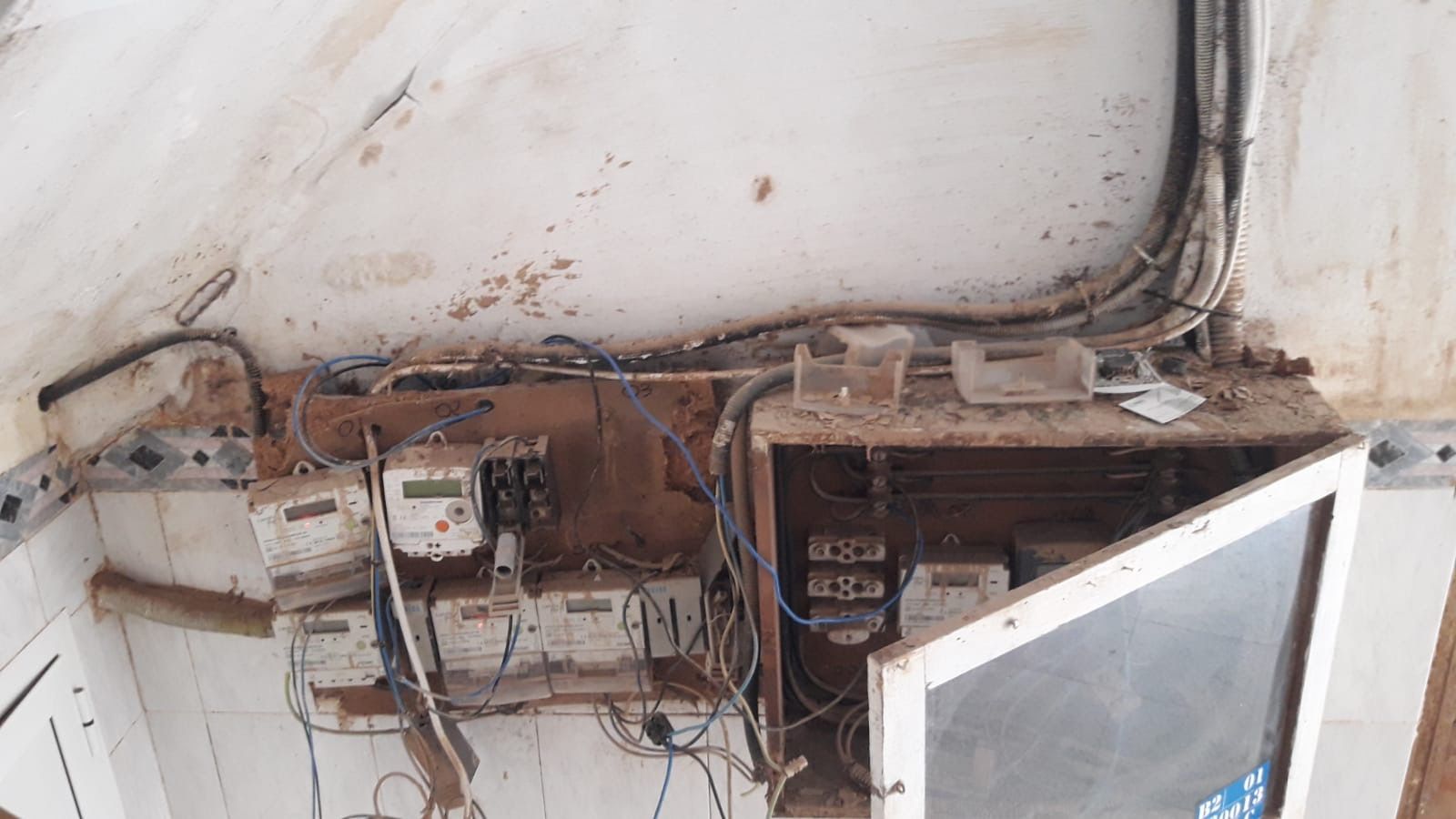
When a fire, flood or water-related incident occurs, electrical damage is often overlooked. Lights may still work, sockets may appear fine, and problems only start weeks later when circuit breakers trip for no clear reason.
This is where disputes begin.
In many claims, insurers minimise or exclude electrical damage, arguing lack of evidence, poor maintenance or the absence of visible defects. In reality, electrical damage is one of the most serious and most underestimated risks after a loss.
What is considered electrical damage?
Electrical damage is not limited to equipment that no longer works.
It may include: • deterioration of cable insulation • connections affected by heat or moisture • electrical panels exposed to smoke, steam or mud • intermittent tripping of residual current devices • increased risk of overheating or future fire
Many of these issues are not visible during a superficial inspection. If the system “still works”, it is often considered acceptable — even when it is no longer safe.
Electrical damage after a fire
After a fire, even if flames affect only one room, heat, smoke and combustion gases can seriously damage the electrical installation.
Cables are usually embedded in walls, and insulation may deteriorate without visible signs. Replacing only sockets or switches is often insufficient.
In these cases, the key question is not whether the system works, but whether it is safe to keep it in service.
When assessing fire-related damage, we usually consider: • the age of the installation • whether circuits are segmented • whether there are separate lines • whether the damage affects the main supply or a branch circuit
Real case: from replacing sockets to replacing the wiring
In a fire affecting one room, the initial loss assessment proposed replacing only sockets and junction boxes, claiming the wiring was not damaged.
By opening a couple of junction boxes, it became clear that the cable insulation had degraded due to heat exposure. Although not visible externally, the damage was real.
The scope of repairs changed: • from a superficial fix • to replacing the affected wiring
The decisive argument was safety: keeping the wiring posed a real risk of short circuit or future fire.
Electrical damage after water, flood or storm events
After water damage, electrical issues are often progressive rather than immediate.
Even if the installation initially works, moisture, mud and contaminants can affect: • electrical panels • protective devices • junctions and connections
In these cases, the focus is usually on the main electrical panel, as it is the most sensitive component.
Sockets and switches are often replaced as well, as they oxidise easily after water ingress.
What evidence is usually sufficient (without excessive testing)
A full electrical audit is not always justified. In many cases, the cost of a detailed analysis exceeds the potential recovery.
A proportionate approach is often more effective.
Typical checks include: • opening junction boxes in affected areas • visual inspection of cable insulation • checking the electrical panel and protections • identifying abnormal behaviour such as breaker trips
These checks are usually sufficient to demonstrate loss of safety and justify replacement.
Fecha de creación: 2025-08-21
Última edición: