Traffic accident: why insurers often undervalue injuries and vehicle damage
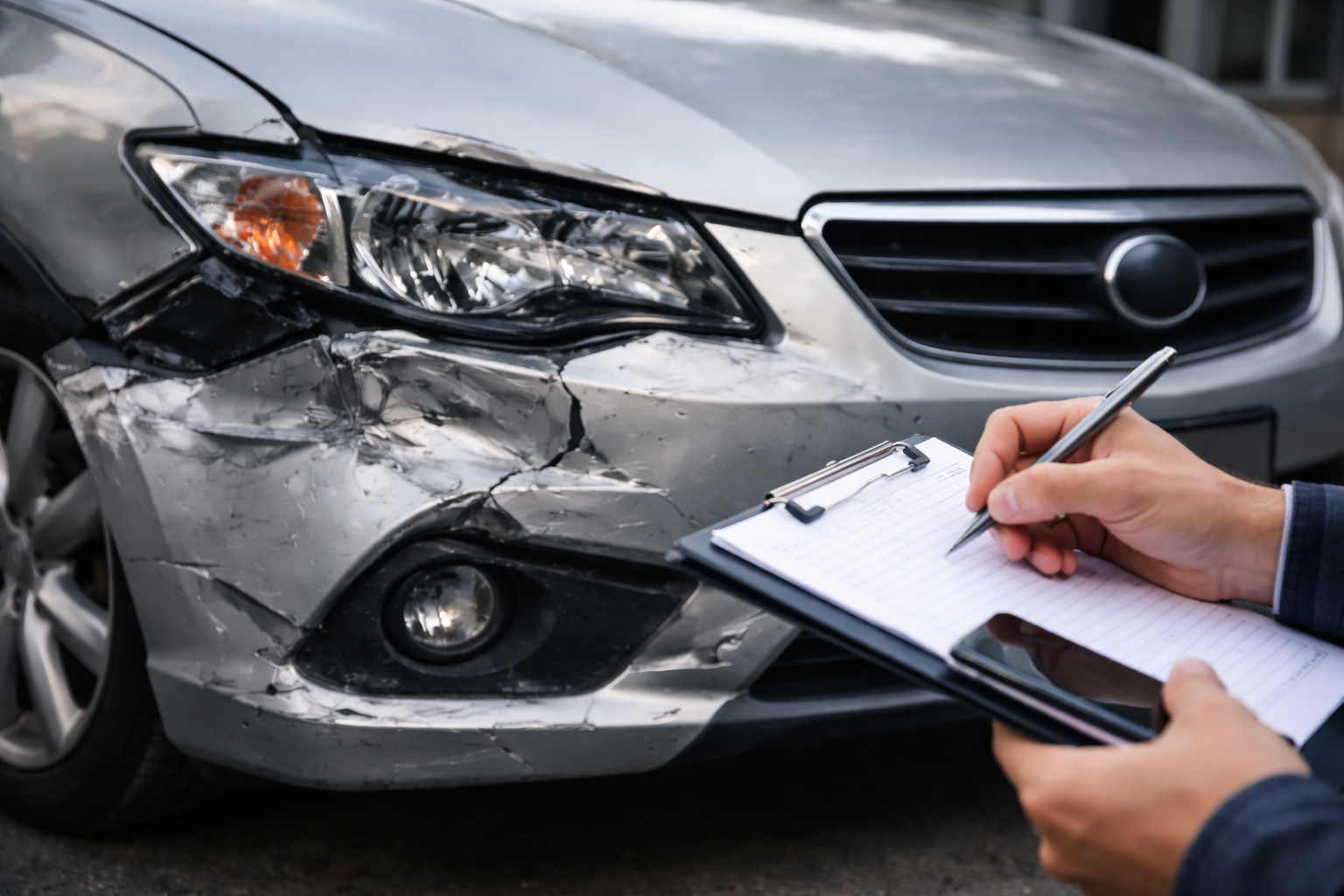
After a traffic accident, most people trust that their insurer will fairly assess both vehicle damage and personal injuries. However, in practice, many compensations fail to reflect the real impact of the accident.
The issue is rarely that insurers refuse to pay. The real problem lies in how damages are assessed and how quickly claims are closed.
In this article, we explain why vehicle damage and bodily injuries are so often undervalued, which mistakes are repeated in assessments, and what is commonly left out without the policyholder even realizing it.
Vehicle damage assessment after an accident
Damage assessment is usually based on standardized criteria. This allows speed, but it also leads to frequent mistakes.
Common problems include:
- Automatic use of valuation tables without analyzing the specific vehicle
- Exclusion of extras, special equipment, or upgrades
- Partial repair decisions when total loss would be more appropriate
- Failure to update the vehicle’s real market value at the time of the accident
For high-value vehicles, modified cars, camper conversions, or vehicles with special equipment, these assessments are often far below the real loss.
The result is compensation that does not allow the owner to replace the vehicle under equivalent conditions.
When the car is assessed… but injuries are not
One of the most serious mistakes is artificially separating material damage from bodily injuries.
It is common that:
- The vehicle is compensated quickly
- Injuries are minimized or considered minor
- The claim is closed before medical treatment is completed
Many injuries do not appear immediately. Neck, lumbar, hip, or shoulder injuries may worsen days or weeks later.
Closing the claim too early means losing compensation points, unassessed sequelae, and aesthetic damages that are never included.
Frequently undervalued bodily injuries
The most commonly underestimated injuries include:
- Whiplash
- Lumbar injuries
- Hip and pelvic damage
- Shoulder and joint injuries
- Sequelae appearing after initial medical discharge
Additionally, insurers often fail to properly assess:
- Days of moderate or severe impairment
- Real functional limitations
- Scars or aesthetic damage
Incomplete assessments drastically reduce compensation.
Premature claim closure: a common mistake
Insurers handle large claim volumes and aim to close files quickly. As a result, many cases are finalized before the damage is fully defined.
Premature closure leads to:
- Missing permanent sequelae
- Ignoring relapses
- No review of injury evolution
Once closed, reopening a claim can be extremely difficult.
Material damage and injuries: a unified approach
A traffic accident is a single harmful event with both material and personal consequences. Treating them separately often harms the policyholder.
A unified analysis allows:
- Better justification of accident severity
- Linking vehicle damage with bodily injuries
- Defending fairer compensation
Why many compensations do not reflect real damage
Undervaluation usually results from a combination of:
- Standardized technical assessments
- Incomplete medical reports
- Accelerated claim closures
- Lack of independent review
- Policyholders’ lack of knowledge
The importance of reviewing a traffic accident claim
Not every accident requires additional review. But when compensation does not cover real damage or injuries, technical analysis becomes essential.
Reviewing a claim allows:
- Identifying omitted damage
- Correcting undervaluations
- Reviewing medical closure timing
- Ensuring compensation matches reality
Conclusion
Traffic accidents are not always undervalued due to bad faith, but because of fast systems that overlook important variables.
Accepting an assessment without review may mean losing a significant part of the compensation you are entitled to.
When vehicle damage or injuries are undervalued, a technical review can make the difference between closing a case and claiming what is fair.
Fecha de creación: 2025-08-06
Última edición: