DANA and flooding: how to correctly file a claim with your insurer and the Insurance Compensation Consortium
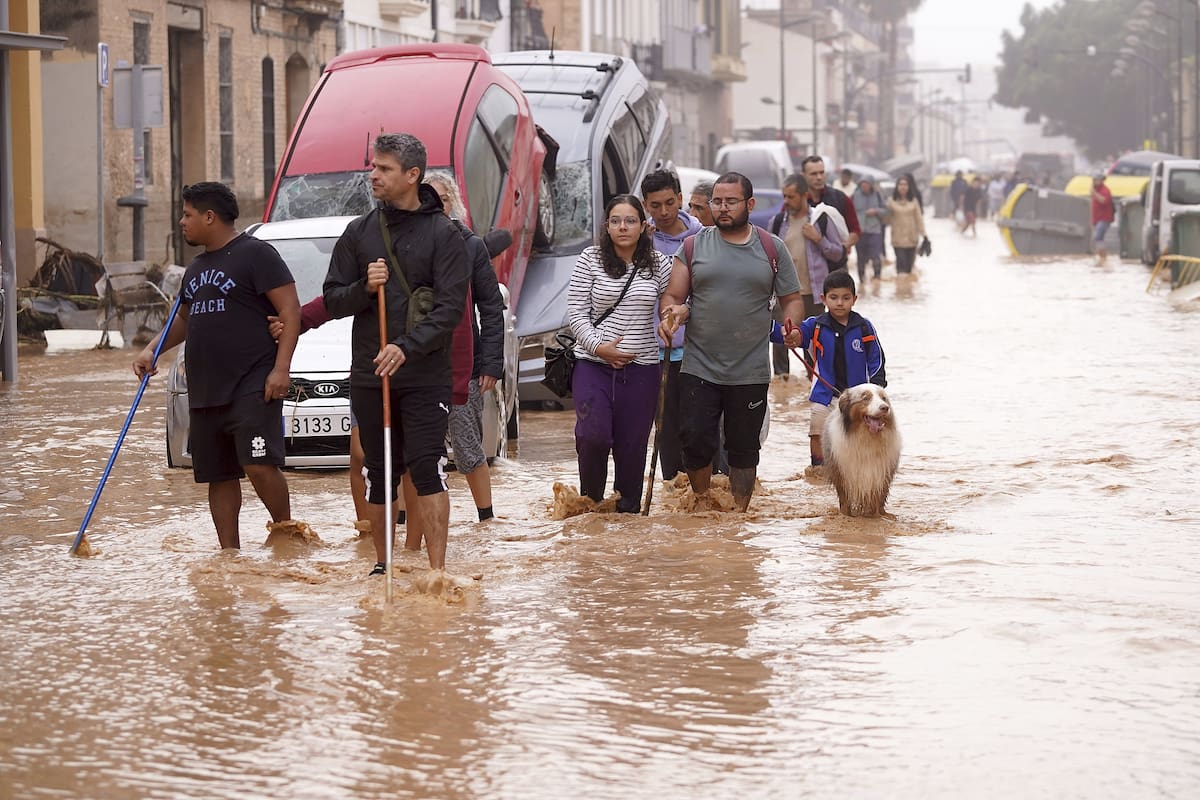
When a DANA event or severe flooding occurs, many policyholders discover that making a claim is not as simple as reporting the loss and waiting. Errors when opening the claim, incomplete assessments, or incorrect identification of the cause of the damage can lead to significant reductions in compensation.
In this guide, we explain how DANA and flood-related claims work, the most common mistakes, and how to avoid losing money.
What is the difference between flooding and other types of water damage?
Not all water damage is treated the same way by insurance policies. Flooding, understood as water entering a property due to extraordinary rainfall, river overflow, or extreme weather events, is usually classified as an extraordinary risk and is handled by the Insurance Compensation Consortium.
By contrast, leaks, seepage, pipe bursts, or installation failures are considered ordinary risks covered by the private insurer. Problems arise when a flood is incorrectly reported as a simple leak, or when extraordinary and ordinary damages are mixed without being properly separated. In these cases, part of the damage may be excluded from the claim from the very beginning.
The first mistake: opening the claim incorrectly
One of the most serious mistakes after a DANA is opening the claim with an incorrect cause. This conditions the entire file and may result in the Consortium rejecting certain items or the private insurer disclaiming responsibility for part of the damage.
In many cases, these files are closed with undervalued assessments that do not reflect the real extent of the damage.
This type of error is closely linked to situations of underinsurance and the application of the proportional rule. To fully understand this issue, it is essential to know what underinsurance is and how it affects a claim, as well as how the proportional rule works.
Fecha de creación: 2024-10-30
Última edición: